Monstrous shark ruled ancient Australian seas before megalodon, researchers say
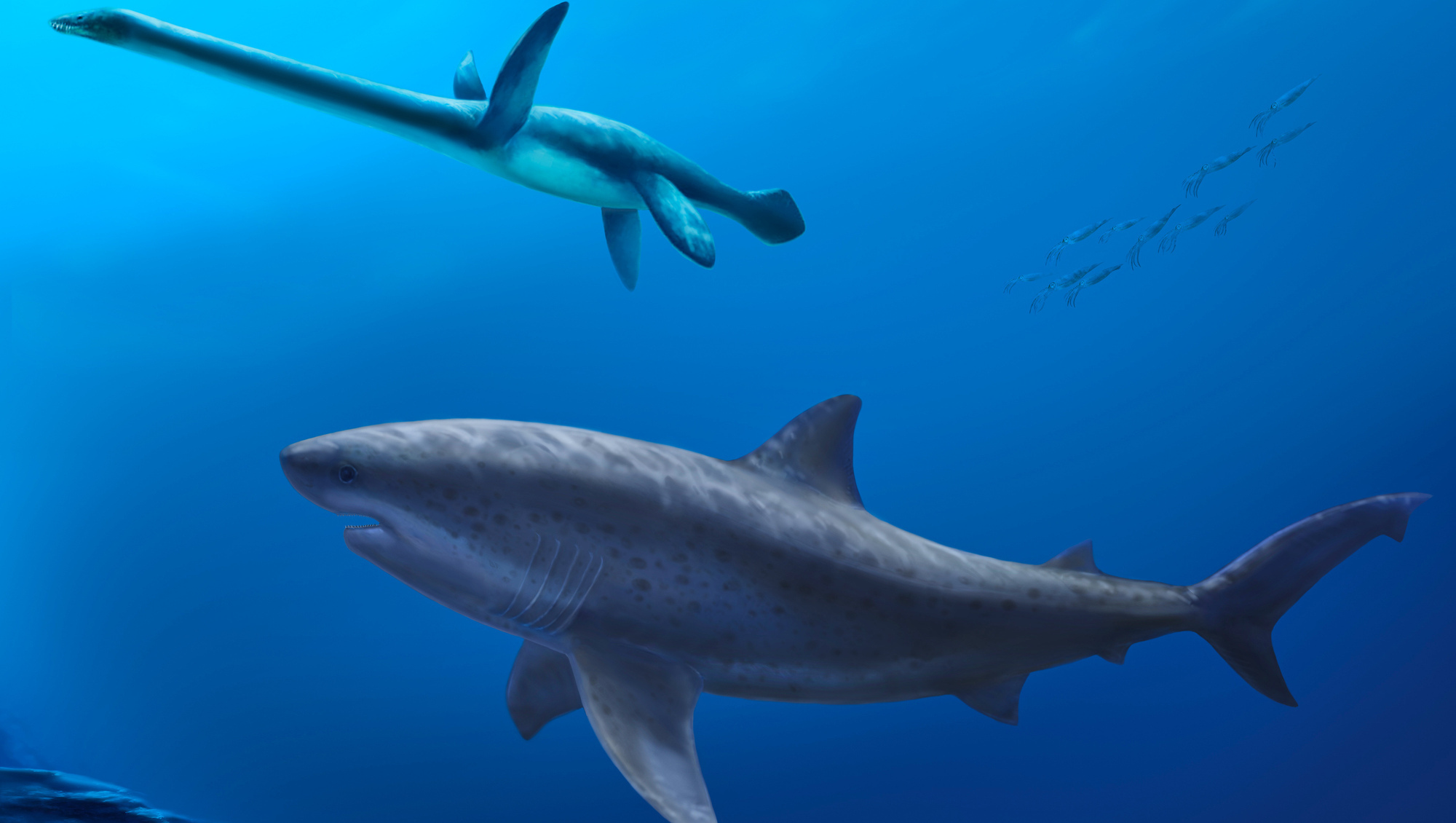
A illustration of a gigantic mega-predatory lamniform shark swimming beside a long-necked plesiosaur in the seas off Australia 115 million years ago (Pollyanna von Knorring/Swedish Museum of Natural History/AP)
In the age of dinosaurs, before whales, great whites or the bus-sized megalodon, a monstrous shark prowled the waters off what is now northern Australia, among the sea monsters of the Cretaceous period.
Researchers studying huge vertebrae discovered on a beach near the city of Darwin, say the creature is now the earliest known mega-predator of the modern shark lineage, living 15 million years earlier than enormous sharks found before.
And it was huge. The ancestor of today’s six-metre great white shark was thought to be about eight metres long, the authors of a paper published in the journal Communications Biology said.
“Cardabiodontids were ancient, mega-predatory sharks that are very, very common from the later part of the Cretaceous, after 100 million years ago,” said Benjamin Kear, senior curator in palaeobiology at the Swedish Museum of Natural History and one of the study’s authors.
“But this has pushed the time envelope back of when we’re going to find absolutely enormous cardabiodontids.”
Sharks have a 400-million-year history but lamniforms, the ancestors of today’s great white sharks, appear in the fossil record from 135 million years ago.
At that time they were small, probably only a metre in length, which made the discovery that lamniforms had already become gigantic by 115 million years ago an unexpected one for researchers.
The vertebrae were found on coastline near Darwin in Australia’s far north, once mud from the floor of an ancient ocean that stretched from Gondwana, now Australia, to Laurasia, which is now Europe.
It is a region rich in fossil evidence of prehistoric marine life, with long-necked plesiosaurs and ichthyosaurs among the creatures discovered so far.
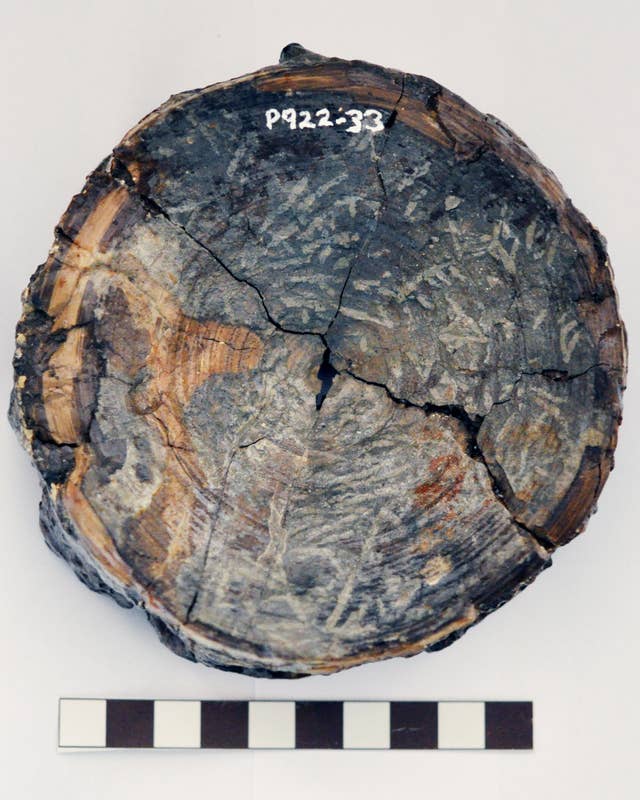
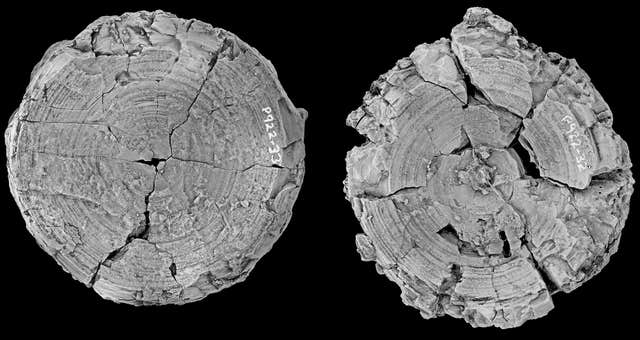
The five vertebrae that launched the quest to estimate the size of their mega-shark owners were not a recent discovery, but an older one that had been somewhat overlooked, Mr Kear said.
Unearthed in the late 1980s and 1990s, the fossils measured 12 centimetres across and had been stored in a museum for years.
When studying ancient sharks, vertebrae are prizes for palaeontologists.
Shark skeletons are made of cartilage, not bone, and their fossil record is mostly made up of teeth, which sharks shed throughout their lives.
“The importance of vertebrae is they give us hints about size,” Mr Kear said. “If you’re trying to scale it from teeth, it’s difficult. Are the teeth big and the bodies small? Are they big teeth with big bodies?”
Scientists have used mathematical formulas to estimate the size of extinct sharks like megalodon, a massive predator that came later and may have reached 17 metres in length, Mr Kear said.
But the rarity of vertebrae means questions of ancient shark size are difficult to answer, he added.
The international research team spent years testing different ways to estimate the size of the Darwin cardabiodontids, using fisheries data, CT scans and mathematical models, Mr Kear said.
Eventually, they arrived at a likely portrait of the predator’s size and shape.
“It would have looked for all the world like a modern, gigantic shark, because this is the beauty of it,” Mr Kear said. “This is a body model that has worked for 115 million years, like an evolutionary success story.”
The study of the Darwin sharks suggested that modern sharks rose early in their adaptive evolution to the top of prehistoric food chains, the researchers said.
Now, scientists could scour similar environments worldwide for others, Mr Kear said.
“They must have been around before,” he said. “This thing had ancestors.”
Studying ancient ecosystems like this one could help researchers understand how today’s species might respond to environmental change, Mr Kear added.
“This is where our modern world begins,” he said.
“By looking at what happened during past shifts in climate and biodiversity, we can get a better sense of what might come next.”
CONNECT WITH US TODAY



Be the first to know the latest news and updates