Vulnerable will be ‘hardest hit again’ by Covid-19 economic fallout – UCC study
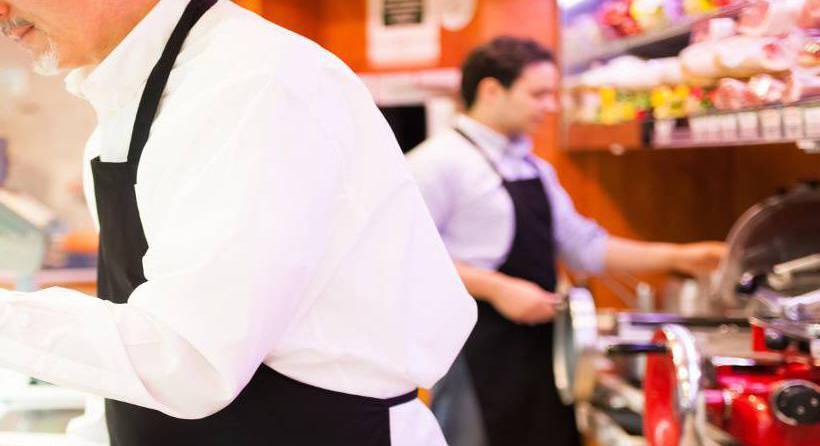
Workers who are young, male, less educated, non-national, self-employed, or live outside Dublin are likely to shoulder any economic fallout from the Covid-19 crisis, researchers at University College Cork (UCC) have found.
Researchers at the Spatial and Regional Economics Research Centre (SRERC) at Cork University Business School found that Covid-19 restrictions, requiring remote working and social distancing, are having a “highly unequal” impact across workers.
Dr Frank Crowley, Dr Justin Doran and Dr Geraldine Ryan analysed anonymised 2011 census data for 150,000 Irish workers to determine who may be most exposed to Covid-19 restrictions and more likely to be negatively impacted by any economic fallout.
The analysis found that younger, male, less educated, non-national, self-employed, and workers living outside Dublin are likely to be more impacted than workers who are older, female, better educated, employees, Irish nationals or lived in the capital.
While the pandemic unemployment payment -PUP- and temporary wage subsidy scheme will provide a “vital safety net” in the short term, a range of targeted policies to reintegrate workers, provide digital and portable reskilling, promote entrepreneurship, and provide educational and job support, will be needed in the longer term, they said.
Dr Frank Crowley, economist and co-director of SRERC, said the country is at a “critical crossroads” and more debate is needed on managing the economic fallout of the Covid-19 crisis: “The overarching question of prioritising the health of the country over the economic health of the country is a debate that should be revisited.”
He added that the decisions taken in recent months will fuel considerable debate for years to come. Dr Crowley said the economic impact of the Covid-19 crisis will be “massive” and that those most vulnerable, who were most impacted in the last financial crisis, are likely to be “hardest hit again” by any potential economic fallout from the Covid-19 crisis but that reopening the economy could stave off some of the negative impacts.
The young, male, less educated, non-national, self employed worker, he said, is more vulnerable to being let go, not being rehired, or working in businesses that will face more difficulty in the future.
Individuals in receipt of the PUP or wage subsidy scheme, he added, are also more exposed or at greater risk of becoming unemployed once the schemes are phased out: “The most vulnerable are going to be the hardest hit again. They are going to shoulder the burden of this. These are the people who are less than best placed to deal with that burden. Is that a cost worth bearing?"