Cork school continues to do good in community
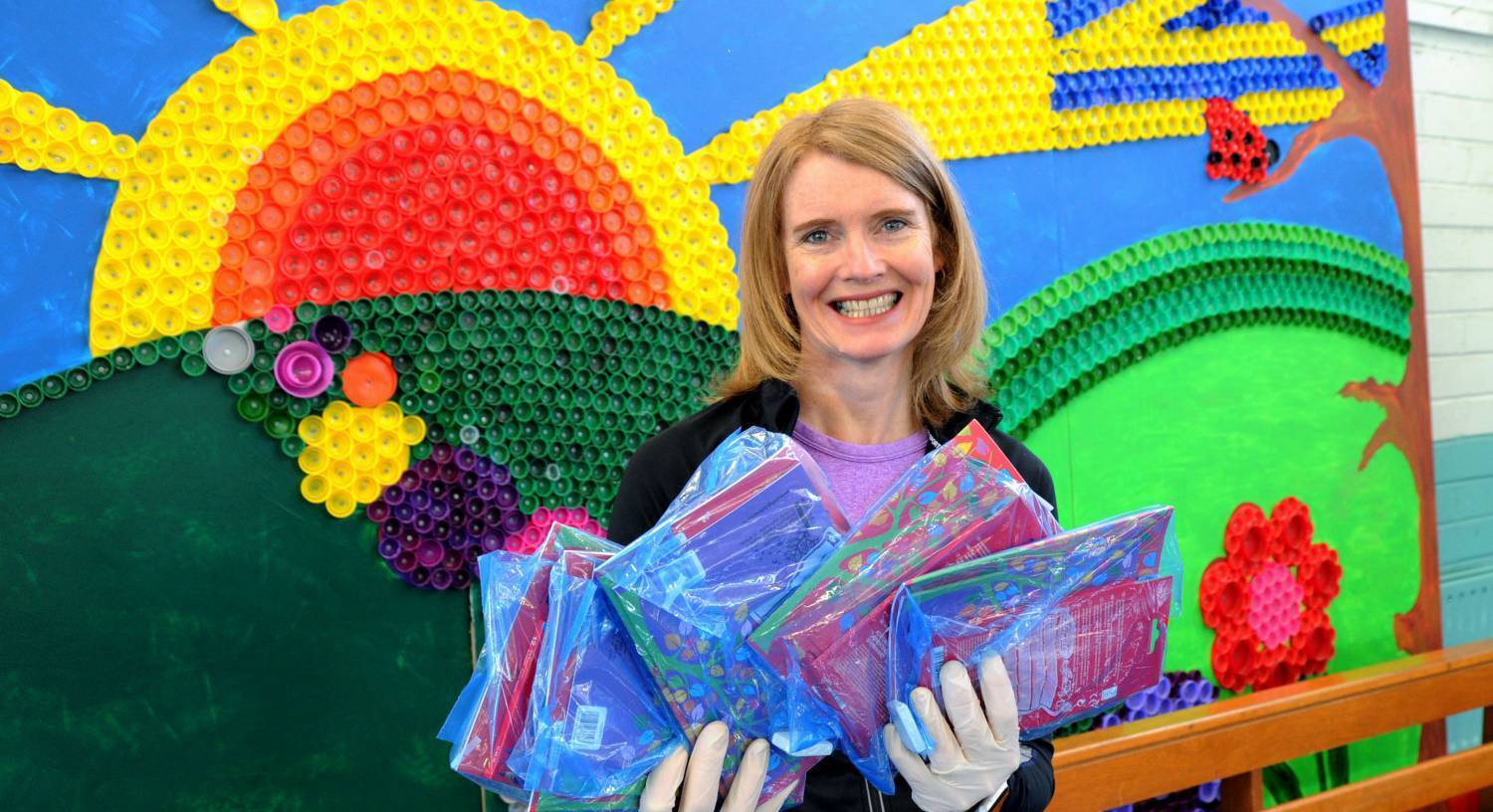
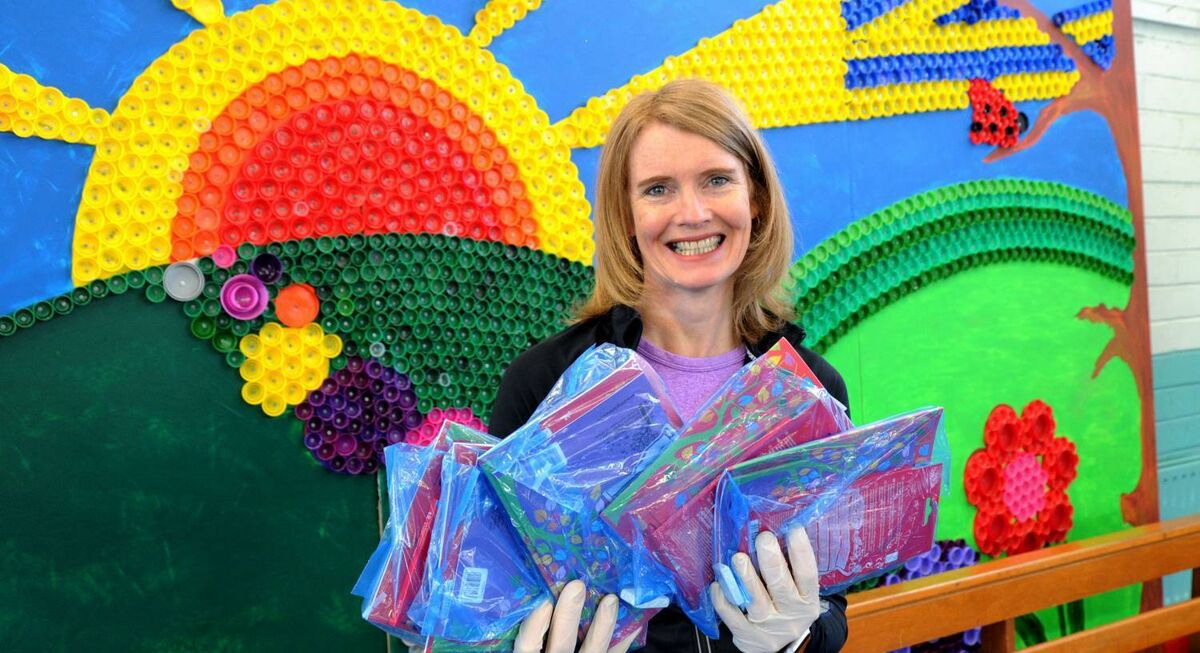
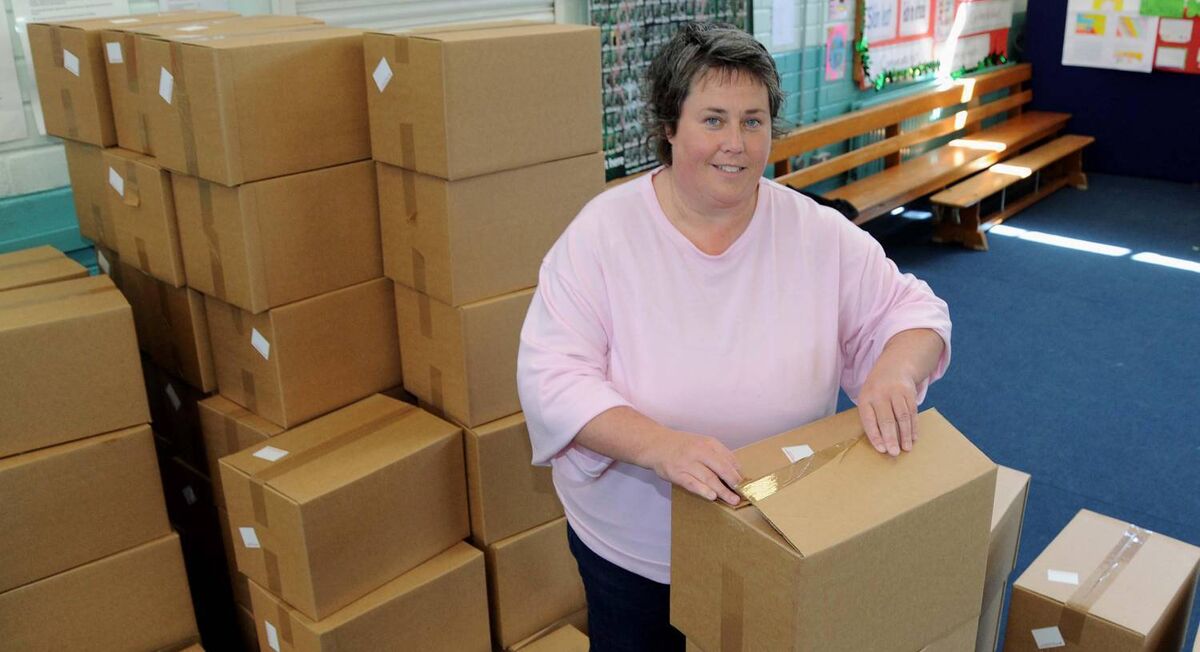
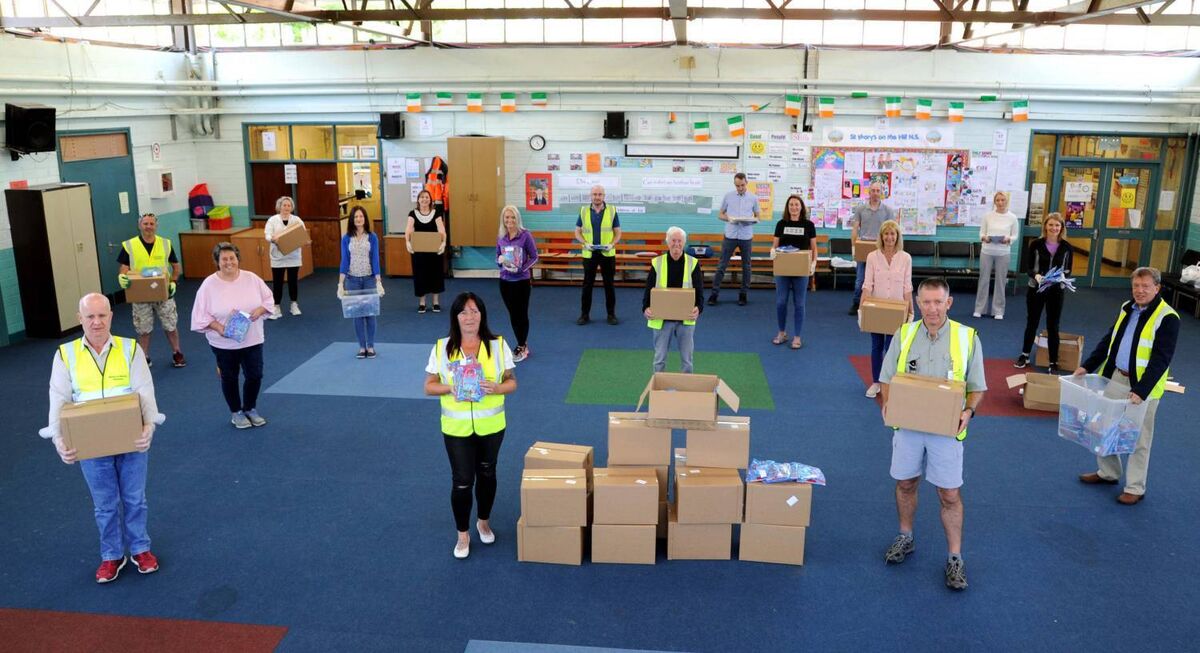
Overshadowed by towering stacks of boxes, Ingrid O’Riordan carefully packs food parcels and school supplies to deliver to families across Cork city’s north side.
Co-ordinator with the Knocknaheeny School Completion Programme in Cork, Ms O’Riordan and her team have been packing and delivering school meals and stationery packs for pupils of local schools with gardaí, Cork City Council, Knocknaheeny Youth Project and Foróige.
“I work with five schools in the community. Our normal job is about keeping young people in school for as long as possible and we have a number of programmes in place to try to do that," she said.
“We’re very much a fabric of the school but we’re woven into the community as well.
“And in the current circumstances we’re part of the community response team, we’re working with all the other agencies to make sure that no one is falling through the cracks.”
Ms O’Riordan said that of the 122 school completion programmes in the country, 11 are based in Cork city and county.
She focuses on schools in the DEIS (Delivering Equality of Opportunity in Schools) programme which aims to address the educational needs of children and young people from disadvantaged communities.
“I’ve a big bee in my own bonnet about the equality of opportunity that students in my area wouldn’t ordinarily get," she said.
“There’s loads of research to say that children who attend DEIS schools start off on the back foot.
“They would not have as much access to pre-schools, they would have a reduced vocabulary compared to a child in a non-Deis school, they wouldn’t be as school-ready - their social and emotional regulation would be difficult.
“They wouldn’t have access to learning materials and in the current circumstances with Covid, they don’t have IT, they don’t have broadband, they don’t have the means to supplement their education with grinds, there’s a myriad of issues that would leave them disadvantaged.
"Our project is to alleviate that disadvantage and to offer as many opportunities as possible to help them thrive."
Now, 100% of young people from the area complete their Junior Cert, but just 10 years ago only about 80% of pupils stayed in school that long, Ms O'Riordan said.
And with the help of the School Completion Programme, more local teenagers are also staying in school to complete their Leaving Cert.
Her next goal is to increase the currently small percentage (about 6.7%) of students from Knocknaheeny studying at third level, although the Covid crisis may delay that prospect further, she said.
The intensive, face-to-face support the programme usually delivers must now be done remotely.
Breakfast, after-school, homework and social skills programmes in school have all had to be cancelled.
But Ms O'Riordan and her team phone 80 students and their families every week and try to help meet their needs - whether that's contact with a housing authority, delivering milk and bread, printing out school work, delivering books or getting phone credit to students who now access their school work only through mobile phones.
They have also been helping with school meals and are looking for ways to continue delivering a food box every two weeks after funding finishes at the official end of the school term.
And with the extra support, families have been "coping well considering," she said.
"There have been some difficulties.
"People know that there is help, so nothing’s got out of control. Everyone’s managed with a bit of a hand."
CONNECT WITH US TODAY



Be the first to know the latest news and updates