Covid-19 fallout is a bitter pill for pharmacies
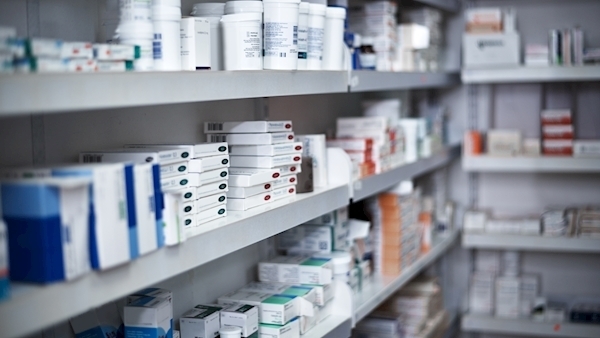
It was a dream come true when Caitriona O’Riordan opened her small rural pharmacy in Enniskeane, Co Cork, five years ago. Now she is losing sleep over her business.
Her pharmacy is one of 1,900 community pharmacies struggling to cope with soaring costs and falling revenues because of Covid-19.
“It has always been my dream to have my own pharmacy. I absolutely love working in a small rural community; you know all you patients and go through their life stages with them,” she says.
“I don’t want to give up my business but at the same time it is a huge source of worry for me because I don’’t know where my business is going over the next couple of months.”
Caitriona, a pharmacist for almost 21 years, is a member of the Irish Pharmacy Union that says government supports are urgently needed.
The IPU’s Covid-19 business survey found the costs associated with physical distancing are considerable. Over two-thirds installed counter screens to protect staff and when personal protection equipment is included the average cost per pharmacy is €2,700 with some pharmacies spending up to €10,000.
However, costs are increasing at a time when retail sales in pharmacies have dropped by more than a third (36%) across the sectors.
A quarter of pharmacies have reached their credit limit with medicine wholesalers, and 30% find it difficult to order key medicines for patients.
According to the survey one-in-five pharmacies have laid off staff while a further 38% will do so over the next three months.
IPU secretary general, Darragh O’Loughlin, says the cost of staying open was unsustainable for many pharmacies.
“These pressures could cause the closure of some pharmacies, a situation that everyone wants to avoid,” he says.
Caitriona employs one full-time staff member and another who works part-time.
“I am already operating as lean as I possibly can. I am as small as a pharmacy can possibly be and, therefore very, very vulnerable.”
Caitriona spent a lot of money on having a screen built so patients could be served from the door but it has wiped all of her front-of-shop sales.
“My prescriptions have dropped by between 15% and 20% simply because people are not going to the GP.
“We are only seeing prescriptions for chronic conditions. We are not seeing prescriptions for antibiotics or anti-inflammatories because people are just doing without them.”