Coronavirus: ‘Every sacrifice we make saves lives’
Restrictions on movement to fight the spread of coronavirus have been extended for another three weeks.
Coronavirus: ‘Every sacrifice we make saves lives’
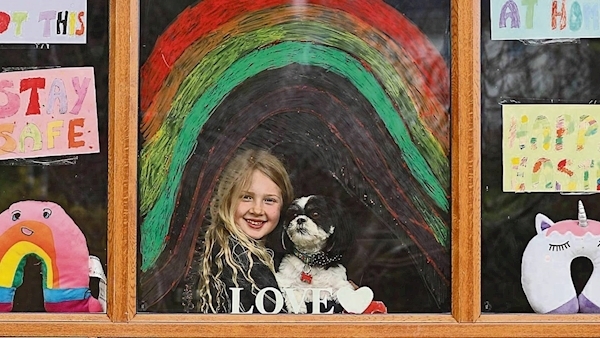
Keita Spilberga and Dougal keep an eye on the world and get their ‘stay at home’ message across in colourful posters in Gornakesh, Co Cavan. Picture: Lorraine Teevan

- with reporting from Cianan Brennan

Restrictions on movement to fight the spread of coronavirus have been extended for another three weeks.

The initial restrictions, which were taken on advice from the National Public Health Emergency Team (NPHET), were announced three weeks ago by Taoiseach Leo Varadkar, and will now remain in place until May 5.

This will include the closure of schools, with Leaving Cert exams postponed until late July, and Junior cycle exams cancelled and replaced with school-based assessments in September.

Health and public officials say there is evidence that the restrictions are working, as the direct contacts of an infected person on average has reduced from 20 to three, and where previously one person infected four others, it is now approaching one.

“I know it is very difficult,” said Mr Varadkar. “But every sacrifice that we make is helping save lives, and are making a difference.

“We have slowed the spread of the virus considerably, but unfortunately we have not stopped the spread.”

Mr Varadkar was unable to give a date for when the restrictions would be lifted.

The news came as a further 25 deaths from Covid-19 were announced by NPHET, with 480 additional cases recorded.

It also emerged, however, that Ireland’s true number of confirmed cases is 8,089, more than 1,000 more than the previously reported figure, according to chief medical officer Tony Holohan.

This discrepancy is attributable to the fact that legacy tests sent for evaluation to German laboratories, some dating from mid-March, were not previously included in figures in order to not give a false impression as to the rate of growth of the illness here, he said.

In lengthening restrictions, Mr Varadkar said: “I know many of us would like to know when things will go back to normal, when life will be as it was.

“We are working towards that time, and planning carefully so that we get there safely.

“The truth is, nobody knows when that will be or how our lives will be different when it comes.

All we can do for now is take one day at a time.

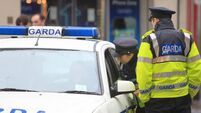
Sweeping powers given to the Government to deal with the crisis will be enforced by An Garda Síochána.

The new laws, which allows the force to issue fines and detain those who disobey orders to return home, will be extended for the duration of the three weeks.

The Irish Council for Civil Liberties (ICCL) has said any new extension of the powers for gardaí should be accompanied by a “clear outline of their continued necessity from medical experts”, as well as a human rights audit, concentrating on vulnerable groups more likely to be disproportionately affected.

ICCL executive director Liam Herrick said it is essential the human rights impact be fully assessed.

“Any time our rights are restricted in such an unprecedented fashion must be accompanied by clear reasoning for their necessity and their proportionality to the risk,” he said.

Mr Varadkar said he did not want Ireland to be turned into a police state, with people reporting their neighbours for minor infractions, and that the new powers should only be used as a last resort.

The Government hopes that, after three weeks, they can start to unwind the lock-down in stages, but cannot guarantee that will happen, with Mr Varadkar noting it will depend on how the public respond and continue the effort to slow infection.

    The current restrictions started on Friday, March 27. They mandate that everyone should stay at home, only leaving to:
  • Shop for essential food and household goods;
  • Attend medical appointments, collect medicine or other health products;
  • Care for children, older people or other vulnerable people - this excludes social family visits;
  • Exercise outdoors - within 2kms of your home and only with members of your own household, keeping 2 metres distance between you and other people
  • Travel to work if you provide an essential service - be sure to practice physical distancing

The Government will be watching other European states who have eased their restrictions, as the concern remains that the virus could re-emerge if restrictions are dropped too early.

The Government announced the extension, which includes a ban on non-essential travel, exercise only within 2km of your home, and only leaving your household to purchase or deliver food or medicines, at a Government briefing ahead of the Easter Holiday.

“I encourage people not to visit their family over the next three weeks,” said Mr Varadkar said. “We’re trying to confine the virus to households and make sure it stays there. Stay strong, stay safe and stay at home.”

x

More in this section

Lunchtime News

Newsletter

Keep up with stories of the day with our lunchtime news wrap and important breaking news alerts.

Cookie Policy Privacy Policy Brand Safety FAQ Help Contact Us Terms and Conditions

© Examiner Echo Group Limited