Tusla criticised treatment of unaccompanied minors from Calais refugee camp
Social Affairs Correspondent
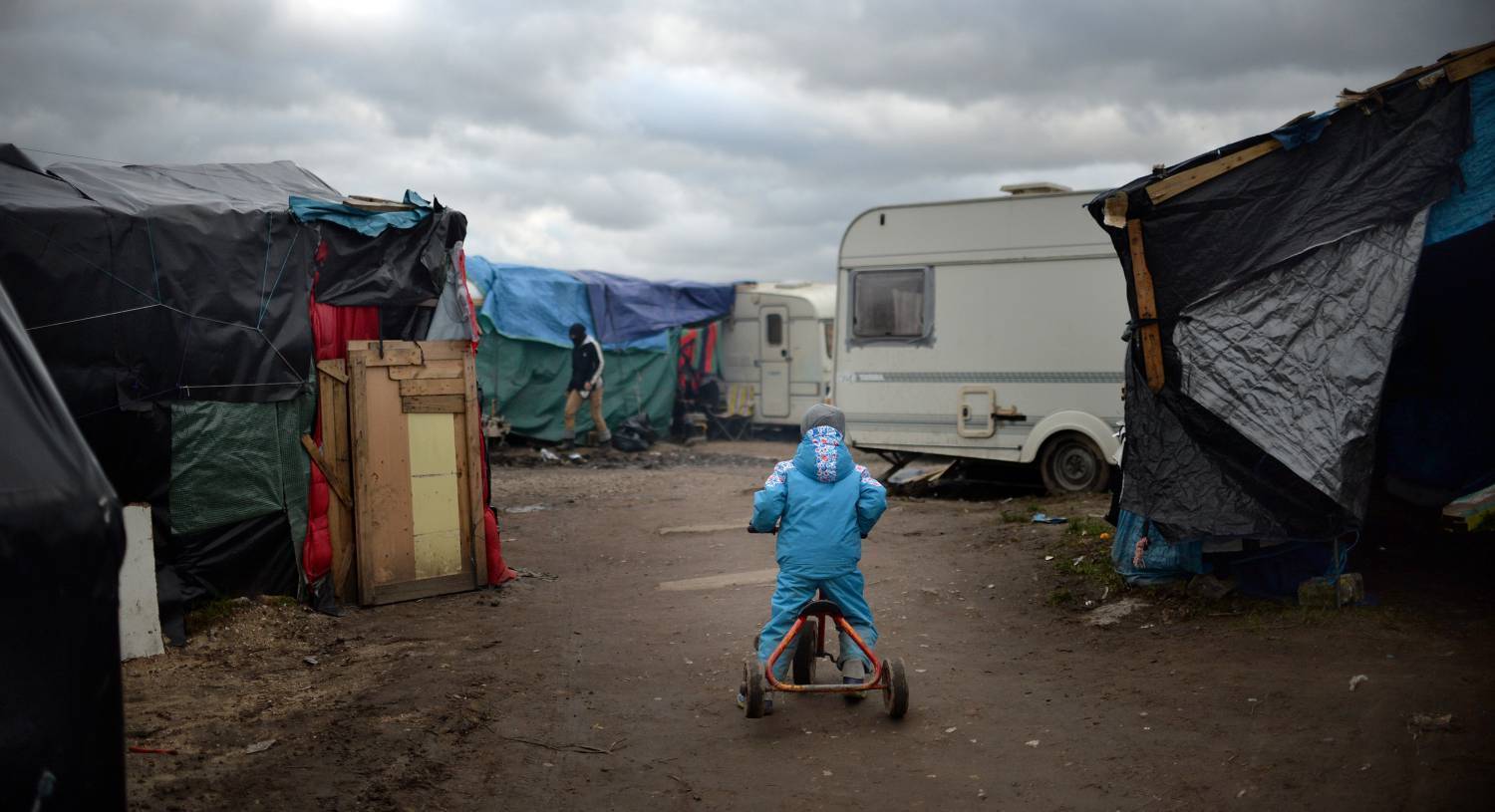
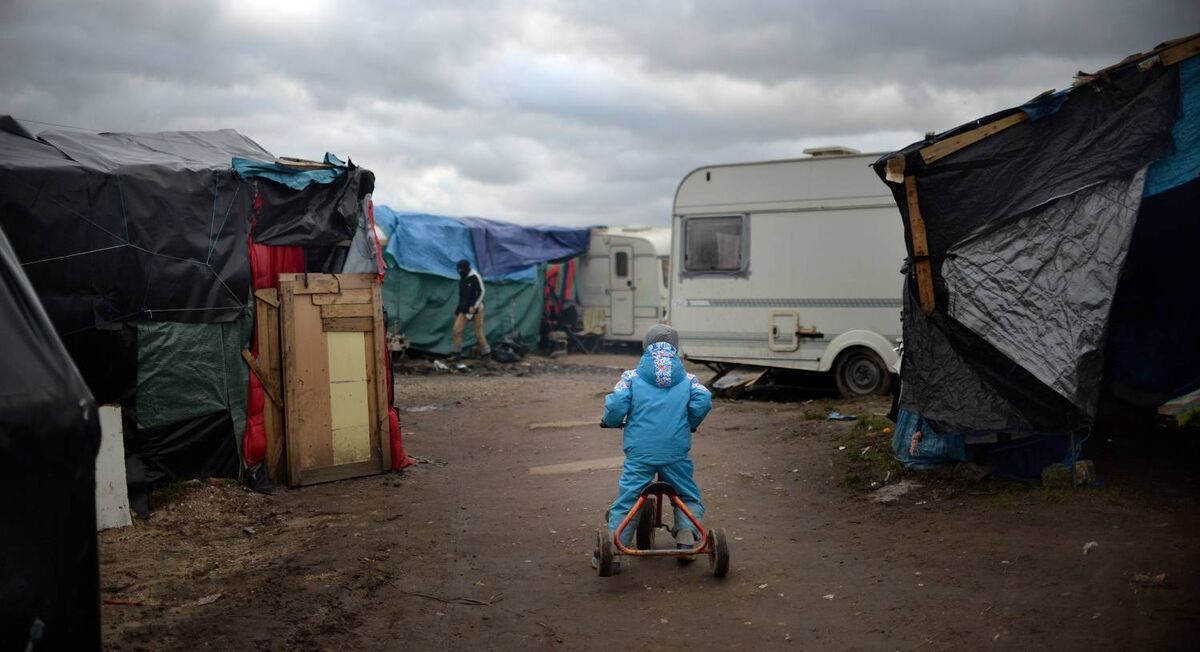
The Child and Family Agency has criticised the Department of Justice over its apparent lack of financial support for unaccompanied minors from the Calais refugee camp in France who were brought to Ireland under an EU scheme.
In its Business Plan 2020, Tusla also criticised the Department of Housing, warning that it has had to continue to accommodate the refugees who leave the initial Irish Refugee Protection Programme because they are not being prioritised and are at high risk of homelessness.
With Tusla forecasting an estimated deficit of over €27m for this year and exploring “cost containment” measures, it took aim at both departments over the scheme to accommodate the unaccompanied minors.
“The agency set up a service in 2017 for the unaccompanied minors migrating from the Calais camp,” Tusla said. “No new budget was allocated to this service in 2019 and the current forecast spend for 2019 is over €7m.
“Tusla has provided placements for 53 children with a further nine agreed to be received in late 2019. The funding to date has been met through temporary reorganisation of Tusla’s own resources from residential services.”
It said no funding has been provided through the Department of Justice to date, to support the IRPP service that Tusla provides despite it being a recognised part of Government policy on support of refugees.
“The cost of this service is expected to overrun by €7m in 2019 (increasing to €7.7m in 2020),” it said.
“Tusla has also continued to accommodate the young people who leave IRPP services, as they are not currently prioritised by Department of Housing and are at high risk of homelessness.”
Tusla also criticises the HSE, stating it continues to pay it for psychology services amounting to €7m annually, while at the same time Tusla purchases therapy services at a cost of an additional €4.9m in 2019, which is expected to continue into 2020.
“The historical agreement with HSE prevents better arrangements being put in place which more effectively meet children’s needs,” it said.
Tusla also outlined its difficulties with the HSE over the joint MOU (Memorandum of Understanding) on sharing of services, and the lack of a sufficiently-sized corporate infrastructure.
“Whilst Tusla has grown since 2014, its central infrastructure still remains heavily dependent on the HSE. This is particularly difficult to manage as the HSE itself deals with annual deficits and has increasingly looked to Tusla to either pay for or face discontinuation of services. In 2019, HSE discontinued its Occupational Health service for Tusla. A replacement has cost Tusla €0.6m in 2019 and represents a good example of the challenges of increased cost that it faces as the HSE pulls away from the MOU arrangements.”