Review of State power to enter homes to protect vulnerable adults from abuse
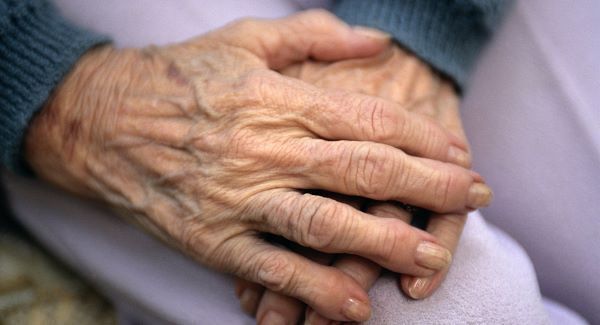
State powers to enter private homes and apply for domestic violence-style barring orders are being considered by State legal experts as part of a new regime to protect adults from abuse.
The Law Reform Commission is also examining whether a new statutory body should be established to exercise these and other powers, or if they should be vested in existing agencies.
The commission is seeking the views of the public as part of its examination, full details of which are being published today.
One of the more complex, and potentially contentious, issues will centre around granting the State the right to enter private homes over fears an adult in the property is at risk of abuse or neglect.
This will look at situations where a third person, also in the house, is preventing access or where the adult in question lacks the capacity to refuse access.
The statutory expert body will also consider whether the power of entry could only be exercised on foot of a court order or if it could operate solely on the authority of the agency itself.
In addition, the commission will examine if agency officials — whether they be a safeguarding professional, a healthcare official or a garda — should be allowed to exercise reasonable force in order to gain entry.
The commission’s research project stems from a Government referral to it, in March 2019, following a recommendation by the Joint Committee on Health and the Minister for Health regarding issues in the Adult Safeguarding Bill 2017 (a private member’s bill).
The research also takes into account the Assisted Decision-Making (Capacity) Act 2015, which has not yet been brought fully into force.
The commission said there is widespread agreement on the need for a clear statutory framework on adult safeguarding, which will “address risks of physical, psychological, and financial abuse”.
This would include current regulatory gaps, such as professional home care.
Publishing its 247-page issues paper on the area today, the body cites recent research, including:
- In 2016, a survey commissioned by Safeguarding Ireland found that one third of people were not clear who they should report adult mistreatment to
- In 2017, there were 10,000 notifications of safeguarding concerns to the HSE
- In 2018, a survey by the National Centre for the Protection of Older People, found that two thirds of bank staff had previously suspected that a customer had experienced some form of financial abuse
- In 2019, the Banking and Payment Federation of Ireland found that a fifth of adults had experienced financial abuse
In addition to power of entry, the commission will also examine making it a “statutory duty” for on regulatory bodies to make inquiries with a view to assessing whether to apply for domestic violence-style court orders, such as removal of a person, safety order, barring order, or protection order.
Another topic in the 11 issues being examined centres around whether the reporting of suspected abuse of adults should be mandatory.
The research will also attempt to define what constitutes abuse and neglectare. It said abuse could include physical, sexual, discriminatory, or psychological abuse.
It said neglect may include acts of omission such as ignoring medical and physical care needs, routinely depriving someone of essentials such as food or warmth, and failing to provide access to appropriate health, social care, or education services.
The 2017 bill proposes a National Adult Safeguarding Authority with wide-ranging responsibility for the area, it said.
Bodies currently involved in adult safeguarding include the Department of Health, HIQAHiqa, the HSE, the Mental Health Commission, the Central Bank, and the Department of Employment Affairs and Social Protection.
CONNECT WITH US TODAY



Be the first to know the latest news and updates