Populous areas have the lowest garda presence
Some of the areas with the highest population growth have proportionally the least number of gardaí.
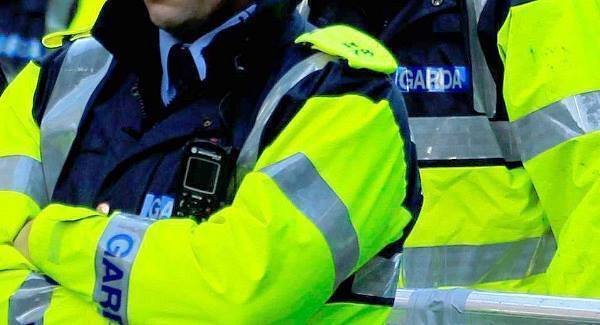
An analysis of Garda manpower across the country’s 28 divisions highlights wide variations in the strength of the force relative to the size of communities they serve.
It reveals that some divisions in the north-west of the country have almost twice as many gardaí per head of population as parts of the greater Dublin area which are experiencing strong growth levels.
The figures show the Garda divisions of Roscommon/Longford and Sligo/Leitrim have proportionally the highest number of gardaí in the Republic outside Dublin’s inner city areas.
Roscommon/Longford has more than 32 gardaí per 10,000 population, while Sligo/Leitrim has more than 31. The national average is 26.3 gardaí per 10,000 inhabitants.
Meath has the lowest ratio of gardaí to population in the country at just under 17 gardaí per 10,000. Kildare has the second lowest at approximately 18.
The scale of the imbalance is highlighted by the fact that while the number of gardaí serving in Meath (324) and Roscommon/Longford (314) is similar, Meath has over 94,000 more inhabitants.
Figures for Cork city, which has been in the news recently due to a growing heroin problem, has 27.6 gardaí per 10,000 population, with 23.1 in Cork West and 21.6 in Cork North.
Kildare, which has a population of over 20,000 more than Limerick, has 394 gardaí compared to 581 in Limerick.
The population of Kildare and Meath each grew by almost 6% between 2011 and 2016 – the highest rates in the country.
In Dublin North Central, which has the highest overall crime rates in the Republic, there are over 83 gardaí per 10,000 population — over three times the national average.
Dublin South Central, which has the highest rates for robberies and burglaries, has an average of almost 66 gardaí per 10,000 Social Democrats co-leader Catherine Murphy said the figures showed significant variations in Garda resources.
The Kildare North TD expressed concern that parts of Dublin’s commuter belt, which had experienced the biggest population growth, in the country in the past decade, were not getting the commensurate number of gardaí assigned to them.
“Essentially the figures indicate that large new population centres don’t get a large range of new services,” said Ms Murphy. “They are playing catch-up the whole time.”
She claimed the deployment of additional gardaí always appeared reactive and in response to issues such as gangland feuds in Dublin and Limerick and the recent attack on an executive of the Quinn Industrial Holdings group in Cavan.
Ms Murphy said she recognised it would be politically difficult to try and reassign gardaí between divisions to provide a fairer allocation of staff across the country but should be addressed through the ongoing recruitment campaign to increase the size of the force to 15,000 by 2021.
The figure stood at 14,202 at the end of September.
A garda spokesperson said the number of gardaí assigned to a division was not determined by population alone and was an issue that was under continual review.
The spokesperson said comparing Garda divisions on a per capita basis was “overly simplistic and fails to take into account crucial factors such as crime trends and demographics”.
CONNECT WITH US TODAY



Be the first to know the latest news and updates