Richard Bruton says bus lanes for electric vehicles will have to be considered
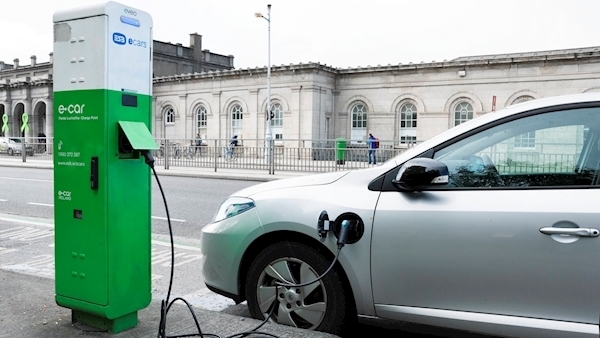
Environment Minister Richard Bruton says suggestions that electric vehicles can use bus lanes will have to be considered.
The idea was floated over the weekend and has gained attention with government projections that a million EVs will be on Irish roads by 2030.
But Mr Bruton also warned the option of EVs accessing bus lanes could have an impact on key routes for other transport users in and out of urban areas.
Speaking in Dublin, he explained: "Every year we will look at proposals that come forward and certainly we could look at that.
"I think there are obviously constraints in this in that the ambition of bus connects is to dramatically shorten the journey.
"These very dedicated routes are where motorists will be kept right out.
"So it's hard to see that you could be consistent with delivering the high-quality public transport service with having vehicles [there]. With the initial phase with small penetration of electric vehicles, it might not make much of a difference.
Our ambition is one-third of vehicles will be an electric vehicle by 2030. And we want to see a very big ramp-up. So we will be looking at other initiatives that might be equally effective if not more effective.
It has been reported the government may introduce ways for EVs to use bus lanes as well as free parking in cities.
It has also been suggested that plans are being drawn up to give EVs special ‘green number plates’ to allow them permission to drive in bus lanes.
The possible use of bus lanes by EVs was flagged by Taoiseach Leo Varadkar in a radio interview last week.
Mr Bruton said several initiatives were helping the take-up of EV use. These include grants of up to €10,000 for new vehicle purchases, €600 towards a home charger and discounts on road tolls.
The minister's remarks came as he met city and county council chiefs to agree a charter to introduce and improve climate action measures across local authorities.
The agreement with 31 local authorities will see the carbon proofing of future transport plans for areas as well as a 50% improvement in energy efficiency by councils by 2030.
Furthermore, local authorities will be expected to collaborate on climate action initiatives with local community groups, local enterprise, local schools and higher level institutions.
Local authorities will be expected, under the charter, to better dispose of waste, to agree ways to reduce greenhouse gas emissions and to propose climate change plans.
Suppliers to authorities, as part of procurement processes, will have to provide information on their carbon footprint and on sustainability practices and steps they take to reduce climate impact.
However, none of the agreements will be compulsory and there are no sanctions planned against councils who fail to meet climate action targets.
Speaking about the charter with local authorities, junior environment minister Sean Canney said: “The key to achieving our climate action targets is to bring everyone with us. Local authorities are a focal point for our communities, villages, towns and cities and their support for this charter reflects the whole of society approach we need to take to transform our economy from brown to green."

CONNECT WITH US TODAY



Be the first to know the latest news and updates