Rainy-day fund may be used after Brexit
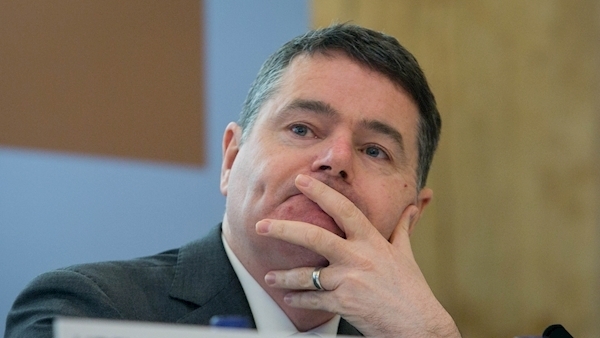
The Government may use the €2bn in its rainy-day fund to help protect Ireland from a no-deal Brexit.
Finance Minister Paschal Donohoe is considering the move in a bid to shore up defences during the political and economic crisis.
The rainy-day fund was first floated as part of the original Fine Gael-Fianna Fáil three-budget confidence and supply deal after the 2016 general election.
However, it was only officially set up this year and is due to receive €1.5bn from the Ireland Strategic Investment Fund, with extra extra payments of €500m every year between 2019 and 2023.
It is expected the rainy day fund money may now be used to support at-risk parts of the economy, including the agriculture and tourism sectors, both of which could be devastated by a no-deal Brexit.
Meanwhile, a study has found millennials are disillusioned with traditional institutions and are pessimistic about economic and social progress.
According to the 2019 Deloitte Millennial survey, just 28% of Irish young people believe the economy will improve in the next 12 monthsand nearly half cited climate change and protecting the environment as their most pressing concern.
The findings of the survey also shows the ambitions of this generation remain strong.
Around 67% of respondents say that travelling and seeing the world is their top ambition, while nearly two-thirds also want to earn high salaries and be wealthy.In comparison to their global counterparts, more Irish respondents wish to buy their own home and have children.
Climate change and protecting the environment is the top concern among millennials in Ireland, as indicated by 48%, significantly higher than the global average of 29%.
Recent research has revealed that millennials have an increasingly pessimistic outlook on economic, social and political affairs.
Only 28% of respondents believe the economy will improve in the next 12 months, down from 56% just two years ago, while only 21% believe that the social/political situation will improve in the next year.
The survey’s findings also show that the majority of young people believe that reduced usage of social media would have a positive effect on their physical and mental health.
CONNECT WITH US TODAY



Be the first to know the latest news and updates