'Where's the beef?': All you need to know about the farmer protests
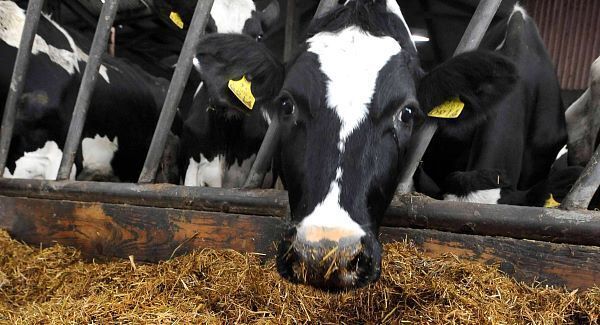
For suckler farmers in this country, the refrain has more often been "where's the money?"

'Where's the beef?': All you need to know about the farmer protests

'Where's the beef?' is a famous American catchphrase but for suckler farmers in this country, the refrain has more often been "where's the money?"

Renewed, but this time unofficial, protests have resumed outside some meat processing plants as farmers maintain that the prices they are receiving for cattle brought to the factory are so low that it could result in many deciding to leave the sector.

The very lack of agreement between farmers on one side and the meat industry on the other highlights the lack of clarity as to who gets what for the meat that ends up on supermarket shelves or in the middle of processed food.

There are numerous factors determining what price per kg farmers receive for cattle taken to a factory, with issues of supply and demand the ultimate arbiters of price paid. While it has fluctuated over the years, the fact that it is now closer to €3.50 per kg than €4 is the main factor in threatening the viability of some farm operations.

The current system, which replaced the old flat pricing system, operates primarily off a grid, based on conformation and fat, one where well-shaped and leaner animals are better than poorly shaped and fatter animals. Farmers are paid accordingly.

However, there is more to it than that. Under the QPS (Quality payment grid) a bonus payment of 12c per kilo can be achieved, but only if farmers meet different criteria set by supermarkets.

To qualify, for the bonus, the animal must have spent the last 70 days on your farm. It must also have been on no more than four farms in its lifetime, it must be on a certain point on the grid, and it must be from a Bord Bia quality assured farm, which is subject to inspections.

In addition, it must be under 30 months old at slaughter. Only when all the criteria are met does the bonus kick in.

One possible change mooted in recent negotiations could see the 70-day requirement reduced to 60 days, but farmers have the 30-month deadline in their sights, believing it is too arbitrary and results in perfectly serviceable animals being sold too early.

The 30-month requirement comes from the days of the BSE scare and the belief of supermarkets that BSE is more likely to occur in older cattle. Supermarkets are unlikely to let it go, particularly given the level of competition between meat processors supplying them.

What about the amount received by the farmer for a kg of beef versus that taken by the processors and the retailers? This is hotly contested, with farmers claiming they receive a smaller percentage than both the producers and the retailers, while the meat industry claims the reverse.

However, to take an average retail value of €8.97 for a kg of beef, if farmers are currently getting prices of €3.50 or slightly above per kg, it would appear they are not taking the lion's share.

Just last week a new scheme was announced that would pay suckler farmers extra for animals they took to the factory between September 24 last year and May 12 this year, but this retrospective payment, while welcomed by some, is contingent on reducing stock numbers by 5% next year.

Given the current price being given for beef, and the pressing concerns over climate change and greenhouse gas emissions, those reductions might be by financial necessity rather than choice. Beef prices elsewhere in Europe are also low and while they have risen compared with a decade ago, they have fallen back here at a time when input costs have risen.

According to Pearse Kelly, head of drystock in Teagasc, a price of €4 per kg allows for a profit margin. "€3.50 a kg doesn't work," he said. "You don't get the return. It's like milk being at 20c a litre."

More in this section

Lunchtime News

Newsletter

Get a lunch briefing straight to your inbox at noon daily. Also be the first to know with our occasional Breaking News emails.

Cookie Policy Privacy Policy Brand Safety FAQ Help Contact Us Terms and Conditions

© Examiner Echo Group Limited