Slapping children ‘has long-lasting negative effects’
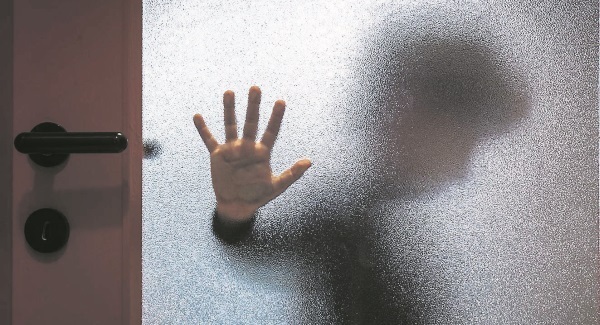
Slapping is not an effective way to alter children’s behaviour, and has long-lasting negative effects, a leading paediatrician has warned.
Professor Alf Nicholson, a consultant paediatrician at Temple St Children’s Hospital, said recent evidence “shows a very clear link” between slapping and “several poor adult outcomes including suicide attempts, moderate to heavy drinking and drug use”.
“Slapping is also associated with increased aggression, antisocial behaviour, and externalising behaviours during childhood and adolescence,” Prof Nicholson writes in the latest edition of the Irish Medical Journal (IMJ).
He points out that the case has been made to consider slapping as an Adverse Childhood Event (ACE), along with other negative events in children’s lives which are already classed as ACEs such as various forms of abuse, parental separation or divorce, a household member with substance abuse, severe mental illness or a suicide attempt.
In his article, ‘Moving Away from Slapping and Promoting Effective Discipline to Raise Healthy Children in Ireland’, Prof Nicholson says we know from international evidence that, for both men and women, harsh physical punishment in childhood is associated with antisocial behaviours in adulthood.
He says assuring “safe, stable, nurturing environments is essential for all children and is essential for healthy growth and development, effective parenting in the future and safer communities”.
Prof Nicholson says the definition of slapping varies; “It is typically defined as hitting a child on buttocks with an open hand”.
However, the American Academy of Paediatrics (AAP) defined it in 2018 as “any punishment in which physical force is used that intends to cause some degree of physical discomfort or pain, however light”.
The AAP acknowledges also that verbal abuse by parents intended to cause shame or humiliation “has likewise a deleterious effect on a child’s self-esteem”.
Prof Nicholson writes: “One does not have to slap a child for deleterious effects to be seen as harsh verbal abuse before the age of 13 years is associated with changes on MRI brain scans in adolescence, conduct issues and depressive symptoms.”
He says there is a growing body of evidence in relation to those parents who rely on corporal punishment and slapping “and findings include parental depression”.
What is new and most important, Prof Nicholson says, “is the longer-term impact of slapping with increased rates of suicide, moderate to heavy drinking and substance abuse in adulthood”.
Prof Nicholson said positive reinforcement “should be the primary means of teaching acceptable behaviour”.
He says even though corporal punishment has been banned in Ireland since 2015, it is difficult to gauge whether the legislation has brought about meaningful change in the way parents discipline their children.
CONNECT WITH US TODAY



Be the first to know the latest news and updates