Study shows ‘political influence’ on A&E changes
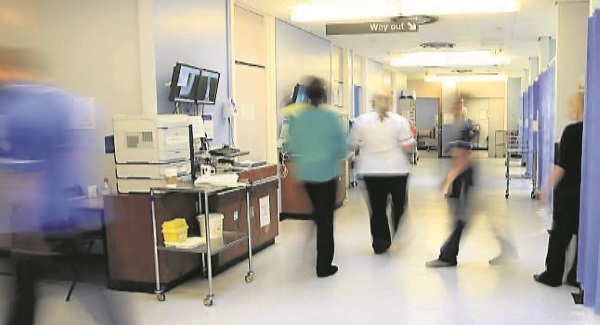
A new study into the reconfiguration of emergency and urgent health care services has found that “political influence is pervasive” and that inconsistent implementation undermines public trust.

Study shows ‘political influence’ on A&E changes

A new study into the reconfiguration of emergency and urgent health care services has found that “political influence is pervasive” and that inconsistent implementation undermines public trust.

The research was conducted by academics in the School of Public Health at University College Cork and involved interviews with six stakeholders in six healthcare regions.

The Study of the Impact of Reconfiguration on Emergency and Urgent Care Networks (SIREN) paper, published in the Health Policy journal, claimed the implementation of reconfiguration has been “inconsistent at a regional level”.

Those changes were introduced from 2006 and the research team said the number of emergency admissions had increased by almost 1,000 per year in the decade from 2005 to 2016, a rise of 30%.

Case study areas were selected based on the extent of emergency department (ED) reconfiguration in 2014 and 2015, such as reducing or closing the function and hours of EDs at smaller hospitals. The regions picked were the South and the Mid-West (“most reconfiguration”), the West and Dublin South (“partial reconfiguration”), and Dublin North-East and the South-East (“little or no reconfiguration”).

According to the study: “The spread of reconfiguration stalled when the ‘easiest’ choices had been made and there were no obvious next steps. In the West, which only achieved partial reconfiguration by closing a small ED in one hospital, the future of other EDs remained uncertain at the time of interview and stakeholders from medium rural hospitals felt vulnerable.”

As for the role of politics, it said: “Political ‘influence’ was pervasive as it shaped the decision to change, what to change and the spread of change. According to some stakeholders, votes trumped international evidence and medical need: ‘…the one [politician] who is loudest and [says] ‘I’m keeping this hospital open here’ is the more likely one to get elected’.”

According to an “external politician” in the South-East: “If it really wasn’t political, if it was really based on a medical need, someone would pick two or three hospitals in the greater Dublin area and have an A&E department but the medical politics of [listed the five large Dublin hospitals] would suddenly come to play and we’re well aware of that so we play politics too.”

Interviewees also referred to investigations by the Health Information and Quality Authority (Hiqa) at smaller hospitals in the Mid-West and South as “trigger events which drove decisions about the timing and nature of changes to ED services”.

Interviewees also cited the role of clinicians, including GPs, in reassuring the public about reconfiguration and the need for a “lead-in time” between the initial decision and implementation which enabled some regions to plan, negotiate, explain, and sell changes to stakeholders to manage opposition.

The study said it highlighted “how local context, people and politics influence decisions about when, where and how much to reconfigure”.

More in this section

Lunchtime News

Newsletter

Keep up with stories of the day with our lunchtime news wrap and important breaking news alerts.

Cookie Policy Privacy Policy Brand Safety FAQ Help Contact Us Terms and Conditions

© Examiner Echo Group Limited