Marine litter may have wider impact on environment that previously thought, study shows
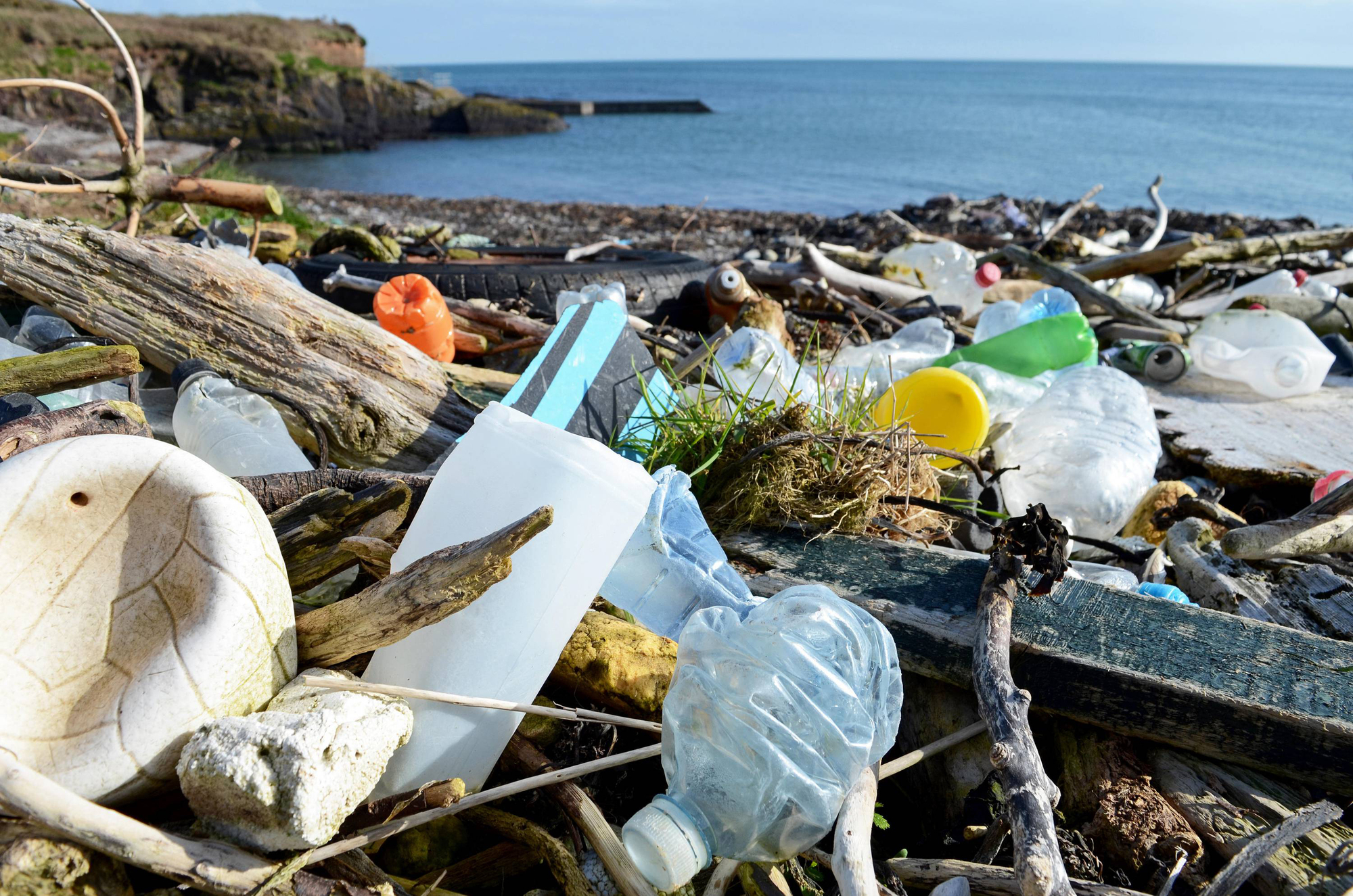
Marine litter and microplastics dumped in the oceans may have a wider impact on the environment than previously thought, a new study shows.

Marine litter may have wider impact on environment that previously thought, study shows

Marine litter and microplastics dumped in the oceans may have a wider impact on the environment than previously thought, a new study shows.

Marine scientists from the Ryan Institute at NUI Galway in collaboration with UCC and Villefranche sur Mer Laboratory in France have found that microplastics may also impact on important ecosystem processes which facilitate the uptake of carbon dioxide from our atmosphere.

The study’s findings suggest that the uptake and the long-term storage of atmospheric carbon dioxide in our oceans which is fuelled by key organisms may be negatively impacted by microplastics. Carbon dioxide (CO2) is a greenhouse gas released during the burning of fossil fuels and its atmospheric levels have continually risen over the past couple of centuries. It is naturally absorbed by our oceans through biological, chemical, and physical processes.

The research team from NUI Galway, the Villefranche Ocean Observatoire and UCC studied how microplastics interact with marine animals called salps. Salps are jellyfish-like animals that play a very important role in this uptake of carbon dioxide from the atmosphere and its downward transport to the sea floor where the carbon gets stored.

Lead author of the study, Alina Wieczorek of the Ryan Institute, explains:

“Our oceans are estimated to have captured one quarter to one half of all human-derived carbon dioxide from the atmosphere in the last two centuries and this downward transport of carbon by salps and other zooplankton animals accounts for a major portion of this.”

At the sea surface, microscopic algae turn dissolved CO2 into fuel (organic carbon). Some of the captured carbon is transported to the sea floor in the form of sinking particles. Salps ingest algae at the sea surface and produce dense faecal pellets which rapidly sink to the deep sea, carrying with them some of this carbon.

However, the researchers found that when salps ingest microplastics and incorporate them into their faecal pellets they do not sink as fast anymore, lowering the efficiency of one of the most important natural processes occurring within our oceans.

“Our study highlights that marine litter and microplastics may impact on animals and even ecosystems in ways we just haven’t considered yet," said Dr Tom Doyle of UCC. Pointing out that the study was carried out in a laboratory, he added: "We now need to go out into the field to further test our hypothesis by quantifying the abundance of microplastics found in salps and their faecal pellets in different areas of our oceans.”

x

More in this section

Lunchtime News

Newsletter

Get a lunch briefing straight to your inbox at noon daily. Also be the first to know with our occasional Breaking News emails.

Cookie Policy Privacy Policy Brand Safety FAQ Help Contact Us Terms and Conditions

© Examiner Echo Group Limited