Sewage system was blocked 16 times a day last year
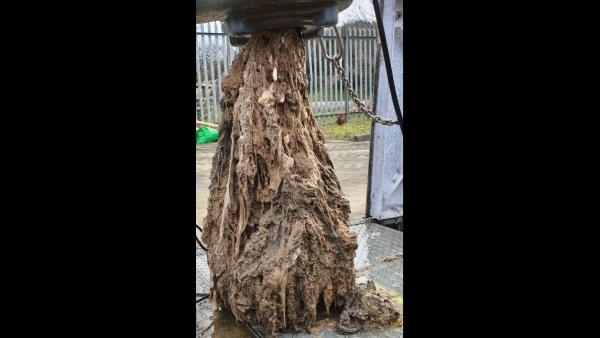
Irish Water had to clear an average of 16 blockages in the country’s sewage network each day last year as a result of inappropriate items being flushed down toilets.

Sewage system was blocked 16 times a day last year

Irish Water had to clear an average of 16 blockages in the country’s sewage network each day last year as a result of inappropriate items being flushed down toilets.

The company is appealing to householders to be more careful about putting certain toiletries and sanitary items in bins after use after it revealed more than 6,000 blockages in sewers had to be cleared last year.

It is estimated the annual bill for clearing such material from the sewage network is around €7m.

The appeal was made after staff from Wicklow County Council working on behalf of Irish Water had to clear three large blockages at the Bollarney wastewater pumping station in Wicklow within the one day last weekend.

Irish Water spokeswoman, Annabel Fitzgerald said an 8ft blockage resulted from items such as wet wipes, cotton bud sticks, nappies, and cotton wool pads being flushed down a toilet.

“Flushing these items can have a negative impact on internal plumbing in homes and businesses as well as the wastewater network and the marine environment,” she said

The utility said the sewage network is designed to carry the three Ps — “pee, poo, and paper”— to wastewater treatment plants.

“The size and scale of the impact of flushing the wrong items down the toilet is incredible,” Ms Fitzgerald said.

While Irish Water is investing millions in building new wastewater treatment plants, upgrading old plants and laying new sewerages, the utility said it is still really important that people recognise the impact of what they flush down the toilet so the sewage network can function efficiently and effectively.

“Placing a bin in the bathroom and disposing of sanitary items safely and appropriately has a hugely positive impact on the network and the environment,” Ms Fitzgerald said.

A report by Irish Water said material arriving in the country’s largest wastewater treatment plant in Ringsend at the time of the incident was not normal sewage but contained solids linked to construction activity.

The company expressed concern that such material is adding to ongoing problems at the overloaded facility which caters for sewage from 40% of the national population.

Irish Water has calculated the Ringsend plant removes 60 tonnes of wet wipes and other sanitary items from the system each month.

On a positive note, Dublin City Council has largely eliminated the problem of fatbergs — a blockage formed by a combination of fats, oil and grease coagulating with non-biodegradable items like wet sipes — in the city’s sewer network.

According to the council, more than 1,000 blockages caused predominantly by restaurants pouring grease and oil down drains were reported each year before an inspection programme was established in 2008.

On average, 7,000 inspections are now carried out annually on more than 2,300 food service outlets in the city to ensure compliance with regulations.

More in this section

Lunchtime News

Newsletter

Keep up with stories of the day with our lunchtime news wrap and important breaking news alerts.

Cookie Policy Privacy Policy Brand Safety FAQ Help Contact Us Terms and Conditions

© Examiner Echo Group Limited