Lotto tickets and scratch cards tops as two thirds of population take punt
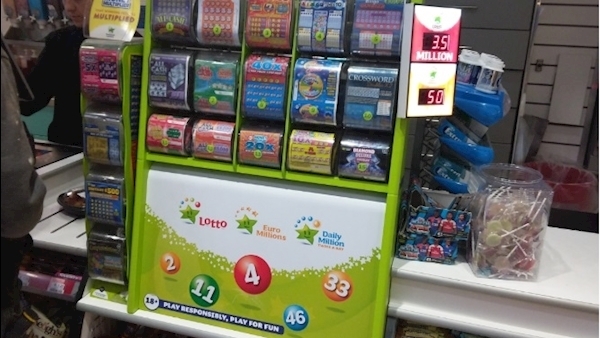
Two-thirds of the population have gambled in the last year - with lottery tickets and scratch cards the most common form of gambling.
That’s according to the first set of data on the extent of gambling that takes place across Ireland.
However, the fieldwork carried out to prepare the information was carried almost four years ago — between August 2014 and August 2015. The initial results of the next survey, covering the period 2018/19, are expected within the next 12 months.
Overall, men were found to have a higher prevalence of problem gambling than women (1.4% vs. 0.2%). The prevalence of problem gambling in females is less than 1% across all age groups.
Problem gambling is most common in young males aged between 18 and 34 years, while the prevalence of problem gambling in the general population was 0.8%. Some 4.7% of men and 1.7% of women reported chasing losses in the last 12 months.
The data, which is published in the latest bulletin of the 2014/2015 Drug Prevalence Survey, shows those in the 55 to 64 age bracket are most likely to have reported gambling in the past 12 months (72.4%) followed by 35 to 44-year-olds (70.5%) and 45 to 54-year-olds (69.4%).
Almost one in 10 teenagers aged between 15 and 17 bought a lottery ticket or scratch card in the last year, and 9.4% placed a bet at a horse or dog racing meeting. For males aged 15 to 17, 15.2% placed a bet at a horse or dog racing event in the last year, while 11.6% bought a lottery ticket or scratch card.
Gambling online or by telephone is most prevalent in the 25 to 34-year-old group (5.7%), followed by 18 to 24-year-olds (4.8%).
Minister of State for Health Promotion and the National Drug Strategy Catherine Byrne said the survey will provide a baseline of data to assist in policy formulation and future planning and action on gambling.
“The modernisation of our gambling legislation and the better regulation of the gambling industry is a priority for Government. This is especially important for the small percentage of people for whom gambling can negatively affect significant areas of their lives including their mental and physical health, employment, finances and relationships with others.
“This survey, and the future gathering of this data, will greatly aid our understanding of the issue and help us plan our interventions accordingly,” she said.
The report of an inter-departmental working group which has been reviewing the provisions of the General Scheme of the Gambling Control Bill 2013 is expected to go to Government for approval shortly.
CONNECT WITH US TODAY



Be the first to know the latest news and updates