Q&A: Why is May seeking to unravel the long-debated withdrawal agreement?
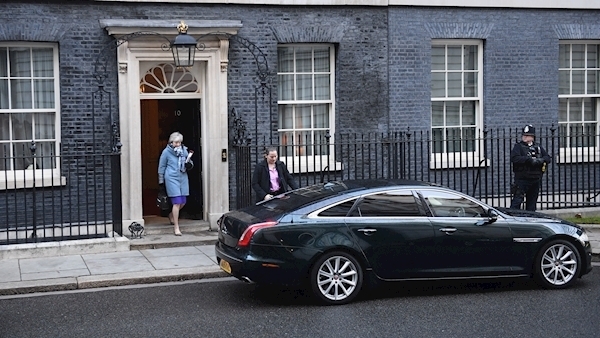
After a series of votes in Westminster this week and after consulting with MPs there, Mrs May backed this option. The backstop angers the DUP and Brexiteers.
The Brady amendment proposed that “alternative arrangements” be found. The backstop will keep the North in a customs union (preventing trade problems) until another way of keeping an open border is found. Brexiteers argue this would draw a border across the Irish Sea and damage the “constitutional integrity” of the UK. And so, Ms May — now unable to unite MPs to find a way forward — will seek to unravel the withdrawal agreement which took two years to draft.
Within minutes of the House of Commons vote on Tuesday evening, EU figures and the Irish Government jointly shot down attempts to renegotiate the backstop or open up the Brexit agreement. Government figures here are shocked by Ms May’s U-turn, after the careful negotiations and promises. Furthermore, Dublin wants to hold its nerve and will not allow any protections for the North and the Irish backstop to be kicked around like a “political football”, as Tánaiste Simon Coveney yesterday told diplomats in Dublin.
The Government is frustrated and believes Ms May has run out of options to get a deal through on Brexit and so was only able to unite squabbling MPs by opposing the Irish backstop. This was despite her previous defence of it. European Commission president Jean-Claude Juncker doubled down on the defence of it yesterday, telling the European Parliament that the current deal remains “the best and only possible”.
There are three areas where Dublin believes Mrs May could alternatively satisfy MP demands or help them swallow the sour points in the withdrawal agreement. One could involve the “max fac”, a solution involving technology and checks to prevent a hard border. Another way would be finding some wording for the non-binding political declaration on the future EU-UK relationship. A third option, Dublin says, is to come up with a whole different solution. Mr Coveney and the Government say none of these, so far, are good enough to replace the default option of the backstop. Instead, more and more hints are being dropped for Article 50, the Brexit date on March 29, to instead be pushed back so negotiations can continue.
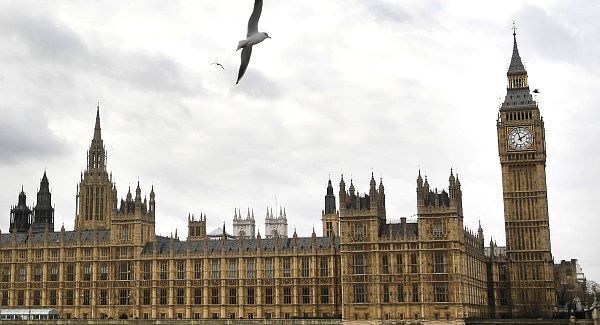
The clock is ticking and fears of a no-deal are increasing. The next steps are key for Dublin and London. We can expect Ms May to travel to Brussels to seek “alternative arrangements”, possibly this or next week.
MPs have also voted, in principle, to block the chance of a no-deal. This could buy more time if negotiations remain stalled through February.
A more magnanimous Mr Juncker said yesterday that the EU is open to discussions. In reality, nobody wants a hard Brexit so all sides will try to delay or prevent this.
In Westminster, there may be more movement with Labour leader Jeremy Corbyn yesterday sitting down with Ms May and the Tories.
Certainly, Ms May was seeking options yesterday with phonecalls to European figures including Taoiseach Leo Varadkar. The next big date is February 14, when the British prime minister says she will put forward another motion for debate.

CONNECT WITH US TODAY



Be the first to know the latest news and updates