Common Travel Area, medicine prices and welfare benefits among Government's no-deal Brexit priorities
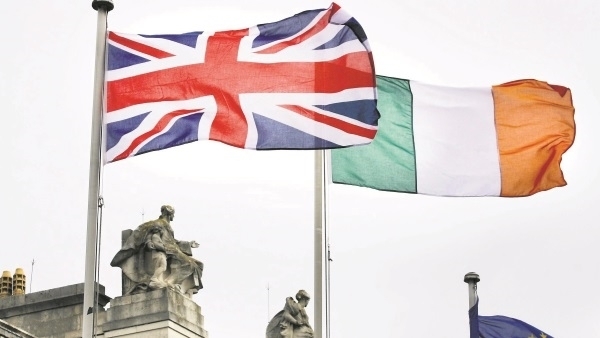
Protecting the Common Travel Area, guaranteeing prices on medicines and continuing to pay certain social welfare benefits are among key measures included in the Government's no-deal Brexit legislation.
The outline of the emergency law that will underpin the Government's plan to deal with a hard Brexit was published today and will be called the miscellaneous Provisions (Withdrawal of the United Kingdom from the European Union on 29 March 2019) Bill. It will allow for the continued access to healthcare, social security protection, student support and protection of consumers.
It will comprise 17 parts and encompass nine Government departments. The Government is aiming to have the Bill passed by the Oireachtas before March 29 – the day the UK is set to leave the European Union. It includes various pieces of legislation from across a number of Government Departments.
This publication is the next step in a series of measures that the Government is taking in preparation for the possibility that the UK fails to agree on a deal for their departure from the European Union, the government said.
The proposed legislation would allow the Minister for Health Simon Harris and the HSE to cover the cost of healthcare provided in the UK under the same conditions as currently exist. This is where treatments are not provided under the Irish healthcare system or for an Irish person who becomes ill while on a visit to the UK.
Ensuring the continuation of the Common Travel Area between the UK and Ireland, with its associated rights and privileges, is also described as a “key part” of the State’s contingency planning. "Both the Irish and British Governments are committed to maintaining the Common Travel Area in all circumstances, and have committed to undertaking all the work necessary, including through legislative provision to ensure that the Common Travel Area rights and privileges are protected,” the statement says.
The bill makes clear that taxes – income tax, stamp duty, corporation tax and capital gains tax – will be amended “to ensure continuity for business and citizens in relation to their current access to certain taxation measures”. “This includes reliefs and allowances as well as the retention of a number of anti-avoidance provisions in the event that the UK is no longer a member of the EU/EEA.”
It provides a statutory basis for cross-border rail services, particularly the Dublin to Belfast Enterprise service. It will also give the National Transport Authority (NTA) powers to regulate aspects of bus and coach travel.
The bill will ensure extradition arrangements between Ireland the UK are maintained. The Government says the proposed bill will also facilitate "ongoing immigration cooperation arrangements when the UK leaves the EU, including in areas which support the Common Travel Area".
It will allow Irish student grants to be paid even if the UK leaves the EU.
It provides for the continued payment of 21 social protection benefits that have a UK element including old age pensions, illness benefits and child benefit. Under the bill, workers whose UK-based employer becomes insolvent will also be protected.

CONNECT WITH US TODAY



Be the first to know the latest news and updates