Courts to see rise in video-links following report
Greater use of video-link evidence in court cases and electronic warrants could help save millions of euro under new legislation designed to improve efficiency in the justice system.
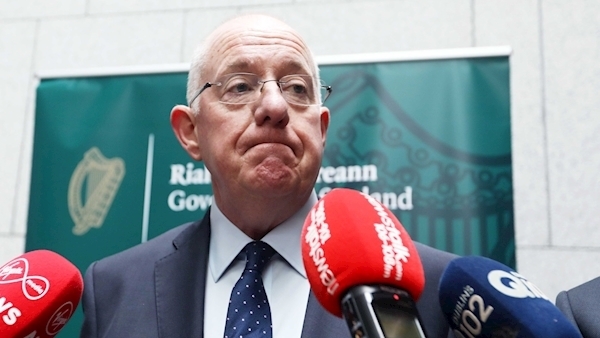
Justice Minister Charlie Flanagan is prioritising a bill which will reduce the need for prison escorts, save garda time and provide more efficient trials. The move follows a critical report in November, which assessed spending on prison escorts, who accompany prisoners to court and other appointments, including medical procedures.
Prison staff and gardaí escort prisoners to hearings. Current arrangements for transfers are “disjointed”, the report said, and staff should instead be reassigned to core duties.
While the report suggested services could be privatised, it is believed Mr Flanagan will not go down that route to save money.
Instead, greater use of video-links for court appearances and court hearings will be used, as will electronic warrants. These will reduce the need for prison staff to travel to courthouses and for gardaí to also appear at times for cases.
Video link evidence is currently permitted under legislation if a witness lives outside Ireland, if the proceedings relate to a sexual or violent offence, as well as where witnesses are under 18 years of age, or people with mental disabilities are giving evidence.
In one recent year alone, there were 27,099 instances of prisoners being transported from prison to court for appearances. In the recent review, five courts in Dublin were examined for one week in June 2018. There were 91 appearances involving prisoners in criminal cases. The report concluded that 68 out of 91 may have been suitable for video-link hearings.
While saving millions of euro, video-link evidence could allow prison officers or gardaí to be reassigned elsewhere.
Under the planned legislation, types of proceedings which can be heard via video link will be expanded to include arraignment hearings, plea hearings, sentence hearings and appeal hearings. Changes will also remove the need for an application to be made in advance of a video link hearing.
The Criminal Procedures Bill will also govern how electronic warrants can be more easily used by gardaí.
Thousands of warrants are issued annually and the measure will result in better value for money, insists the Department of Justice.
An oversight group will help roll out the changes, which are set to involve consultation with groups representing prison officers and gardaí.
The moves come at a sensitive time for the prison service with an investigation underway into the alleged surveillance of prison staff. This includes claims that a detective agency was hired to bug and carry out surveillance in Irish prisons.
David McDonald, an assistant chief officer with the Operational Support Group unit in the Irish Prison Service, made the allegations of malpractice, which include that a tracker device was placed on a prison officer’s private vehicle and conversations between prisoners and solicitors were monitored.
An urgent inquiry has been set up by Mr Flanagan.