Being a carer tops for toll on wellbeing
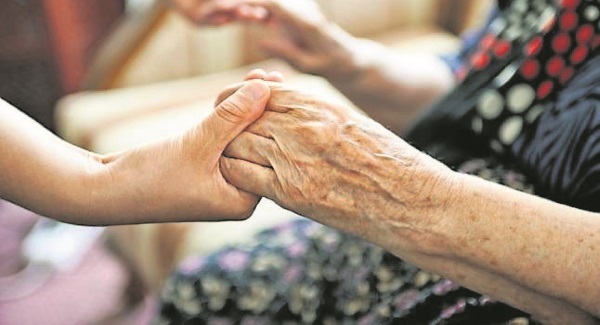
The toll of looking after someone with a chronic illness has replaced unemployment as the single biggest factor impacting on wellbeing, a survey has found.
Wellbeing is also affected by deprivation, with households in deprived areas reporting higher stress rates.
Commissioned by the Meath Foundation and presented at the annual Meath Research Symposium at Tallaght University Hospital, the study entitled ‘Physical and Mental Health in Post-Recession Ireland: A Community Study from Tallaght, Dublin’ surveyed more than 350 homes and found carer burden to be the single largest factor impacting on wellbeing in the area.
The hospital’s consultant psychiatrist, Brendan Kelly, and one of the study’s authors, said its findings were “largely reflective” of communities around the country. “The issue of being a carer affects every community,” he said.
Unemployment had been the single biggest factor affecting wellbeing when a similar study was carried out in Tallaght in 2014, but this had changed in light of a 10-percentage-point increase in the numbers in full-time employment since then, from 24% to 34%.
Despite improved employment levels generally, 66% of people in deprived areas experienced stress over the last 12 months, compared to just over 55% in less deprived areas.
Meanwhile, the study found people with less stress were more likely to own private health insurance, be better educated, and were less likely to be living with a person with a chronic illness or disability.
More than half of households surveyed (54%) included a person with a chronic illness. Better physical and mental health are both significantly associated with not living with a person with chronic illness.
Prof Kelly said it was evident that despite several years of economic recovery, its benefits have yet to filter down to more deprived areas of the country.
“The economic recovery has done little to improve mental health here and this is taking its toll on those in greatest need,” he said.
“For example, it impacts two-thirds of the population living in the deprived communities of Tallaght where people have less education, don’t own health insurance, and are more likely to be living with the burden of a person with a chronic illness or disability.”
Prof Kelly said the good news was that the challenges faced by carers were “fixable” through improving and extending existing supports such as home care packages and improving and extending the availability of respite care.
“Most people want to care, but they are not getting the support they need,” he said.
“But this issue is actionable. The answer is right in front of us. We are doing it already, but not in a way that is as beneficial as it could be.”
In terms of overall challenges faced by such communities, Prof Kelly said there was “a clear case for strengthening community and hospital mental health services and for other social care interventions” to assist “vulnerable communities in their everyday lives”.
The report also found that those who identified as non-Irish reported better mental health. Prof Kelly said this was “difficult to explain” but may be linked to the fact that people from other countries seek out other immigrants and develop a higher sense of community.Older people also reported better mental health. Prof Kelly said this may be because life had given a great sense of perspective.
CONNECT WITH US TODAY



Be the first to know the latest news and updates