Trinity voices Brexit fears with Financial Times open letter
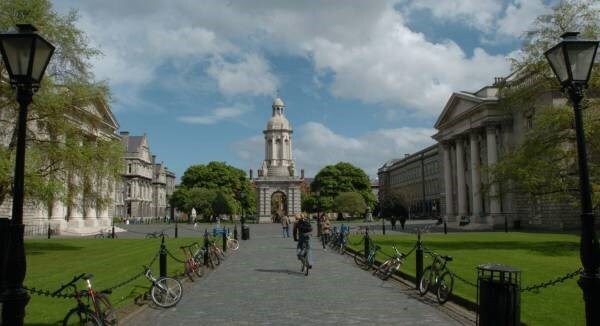
Trinity College Dublin has voiced its concerns about the impact of Brexit on Ireland-UK research links, in a free ad in the Financial Times.
In a message to readers and the wider policymaking community, it has placed an open letter in todayâs edition of the newspaper.
The opportunity arose from a partnership with the FT that saw them organise a public discussion on borders. Instead of using the opportunity of a free ad to appeal to the high-class readership to send their children to Trinity, it chose to write the letter.
It highlights long-established research links between Trinity and other Irish universities, and concerns about âthe threat of rupture to more than four centuries of academic collaborationâ.
It says: âIrish and UK researchers currently enjoy almost 1,000 collaborations under the EUâs Horizon2020 programme, far more than Ireland has with any other country.
âMany UK universities are the best in Europe, and itâs not wishful thinking to expect the EU to do everything to maintain our research links, but this wonât be easy if the UK leaves under WTO rules.â
Professor Jane Ohlmeyer, director of the Trinity Long Room Hub and chair of the Irish Research Council, told the Irish Examiner that the intention of Trinityâs plea âfor prudence, deliberation, and foresightâ is to drive home the message not to throw out the baby with the dish water.
âWe are asking that research and education be front and centre of deliberations, because sometimes theyâre not always a priority,â she said.
The open letter points out that Brexit being seen as an opportunity for Ireland is the view of âa vanishing few optimistsâ, saying that Trinity would rather keep collaboration through existing programmes with the growing number of UK-based academics seeking to move here.
It also stresses Trinityâs cross-border links but says recent post-Troubles recovery in the numbers of Northern Ireland students has been reversed with a 20% decline in applications this year, in what it calls âa worrying Brexit effectâ.