Writing of An tAthair Peadar under spotlight
The life and work of Cork priest and Irish language author An tAthair Peadar Ó Laoghaire will form the central theme of Daonscoil an Fhómhair in Gougane Barra next weekend.
The annual gathering of Gaeilgeoirí will hear speakers discuss aspects of the legacy of the Clondrohid, Co Cork-born scholar and advocate of the Múscraí dialect of Munster Irish.
An tAthair Peadar (1839-1920) is best known for , his story of a cobbler’s struggle with the devil, and his autobiography .
He was a proponent of ‘caint na ndaoine’ or the speech of ordinary people, rather than academic interpretations of the Irish language.
Disagreeing with the likes of Conradh na Gaeilge co-founder Eoin MacNéill on the subject, he promoted a contracted mode of speech, using phrases such as ‘táim’ rather than ‘tá mé’, ‘bhíos’ instead of ‘bhí mé’, and ‘bhíodar’, in place of ‘bhí siad’.
Ahead of the centenary of his death in 2020, the event in Gougane Barra will feature a talk on Saturday from Éilís Uí Bhriain, who with her son Pat last year published a book on an tAthair Peadar, or I am That Son.
Their book seeks to balance opposing views of the cleric as an “amiable genius” or the cantankerous character later revealed through his own letters.
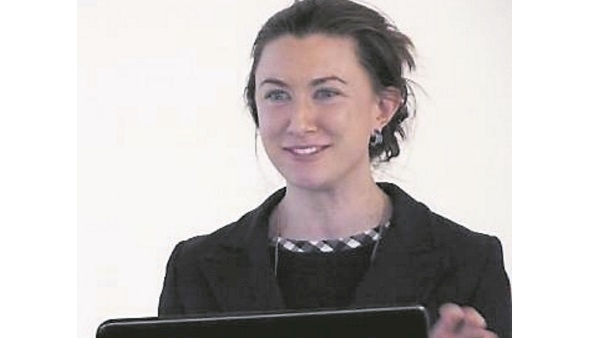
A second talk on Saturday will be given by Katie Ní Loingsigh of Baile Mhúirne on the life and legacy of An tAthair Peadar, with specific focus on ‘caint na ndaoine’.
Dr Ní Loingsigh’s lecture stems from her PhD research at Dublin City University which involved the collection and classification of idioms in An tAthair Peadar’s published work.
Dr Ní Loingsigh says An tAthair Peadar is recognised as a “seminal writer of the Irish-language revival period in Ireland at the turn of the 20th century and his work left an indelible mark on generations of writers and students”.
He produced more than 500 individual pieces of work.

CONNECT WITH US TODAY



Be the first to know the latest news and updates