Ethics code an ‘unfair burden’ on gardaí, GRA say
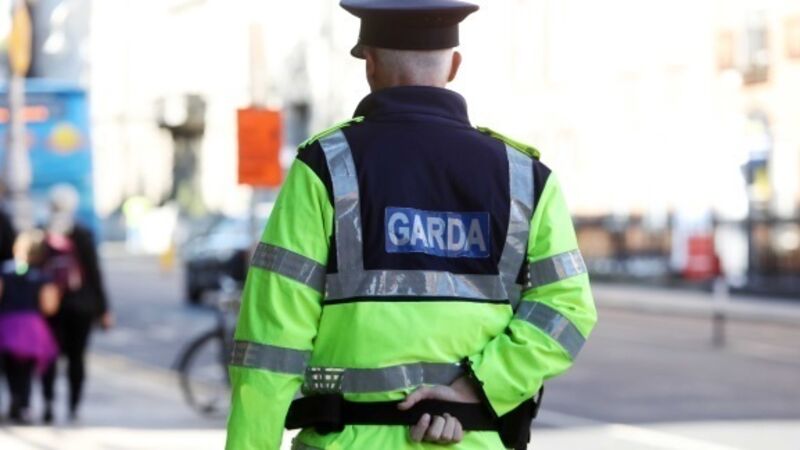
The Garda Code of Ethics places an “unfair burden” on individual gardaí because of a lack of management back-up, the largest staff body has said.

Ethics code an ‘unfair burden’ on gardaí, GRA say

The Garda Code of Ethics places an “unfair burden” on individual gardaí because of a lack of management back-up, the largest staff body has said.

The Garda Representative Association (GRA), with some 11,400 members, said Garda bosses are requiring gardaí to “declare adherence” to the code, but are not training them how to do so.


The code was the flagship initiative of the Policing Authority and was launched in January 2017 amid much fanfare by the authority, then justice minister Frances Fitzgerald, and then Garda commissioner Nóirín O’Sullivan.

The code sets out nine standards of conduct and commitment: Duty to uphold the law; honesty and integrity; respect and equality; authority and responsibility; police powers; information and privacy; transparency and communication; speaking up and reporting wrongdoing; and leadership.

It says there is a duty to the public and the organisation to “speak out openly within the organisation”.

It states the code should underpin recruitment, evaluation of performance, assessment for suitability for promotion and appointment to specialist units.

The code works in parallel with the Garda Discipline Regulations.

The Policing Authority heard during the summer that only 40% of the 8,000 gardaí who have undergone training on the code have actually signed the document.

Garda bosses told the authority that it is a “pretty serious situation” but that they are having conversations with the staff associations and expect the signature rate to be much higher by the end of the year.

The editorial in the GRA journal, The Garda Review, said training on the code is now advanced.

It said that, on completing the training, members are requested to sign a declaration that they have “read and understand the Code of Ethics for An Garda Síochána and will adhere to the standards set out therein”.

In his editorial, GRA spokesman John O’Keeffe said that embedding the code requires more than simply promulgating the document.

An Garda Síochána, as an organisation and employer, must also be seen to make a commitment to observance,” he said. “The GRA feels that the process, thus far, has failed in that regard.

“Our members are being asked to declare adherence, yet the organisation itself is not delivering on its corresponding commitment to our membership — particularly in the area of training.”

He said that the Criminal Justice (Victims of Crime) Act 2017 was enacted last November. To implement it, he said members need a detailed knowledge of its content but have still not received training on it.

He also referenced section 3 of the act, which provided a statutory basis for detaining intoxicated people. He said no continuous professional development has been given in relation to risk assessment, rousing checks, first aid, restraint risks and custody handover.

Mr O’Keeffe said there is an onus on the employer to provide training, equipment, facilities and assistance.

In the absence of organisational support to achieve professional competency, the code places an unfair burden on the individual member,” he said.

He said the GRA and its members have “no issue” with the promotion of ethical behaviour and standards.

x

More in this section

Lunchtime News

Newsletter

Keep up with stories of the day with our lunchtime news wrap and important breaking news alerts.

Cookie Policy Privacy Policy Brand Safety FAQ Help Contact Us Terms and Conditions

© Examiner Echo Group Limited