Our Lady’s children’s hospital set to fund TB research
The Children’s Medical Research Foundation based at Our Lady’s children’s hospital in Crumlin, Dublin, has has committed to funding research into tuberculosis, which kills a quarter of a million children each year.
Tuberculosis, an airborne disease, is the single-biggest infectious killer worldwide. Following exposure to someone with TB, a healthy adult has about a 10% chance of getting the disease, but it normally won’t occur until many years later.
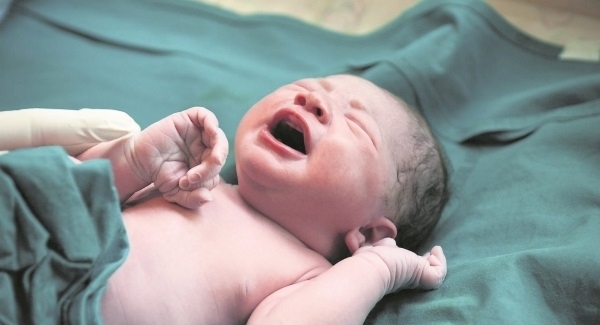
Newborn babies are much more at risk, with up to 50% getting sick within a few months of exposure and an increased chance of getting disease outside of the lung, such as meningitis. The mortality of TB in this age group approaches 50%.
The funding programme will operate through a fellowship at the National Children’s Research Centre.
“We are delighted to provide vital funding for research into TB,” said Lisa-Nicole Dunne, CEO of CMRF Crumlin.
Over 250,000 children die every year from tuberculosis infection worldwide, but the burden of disease extends far beyond that.
“Over one million children are infected annually and TB is difficult to treat, requiring months of therapy that is expensive and difficult to complete.
“The emergence of multiple, drug-resistant strains of TB, in recent years, further highlights the need to develop new host-directed therapies,” said Ms Dunne.
Recent figures from the European Centre for Disease Prevention and Control show an alarming rise in the number of cases of the most severe form of drug-resistant tuberculosis, most of them in eastern Europe.
While the level of TB infections in Ireland is low, there still occur 350 a year, many of them children.
Ms Dunne added: “We don’t know why babies are more at risk of getting TB and of getting disseminated disease.”
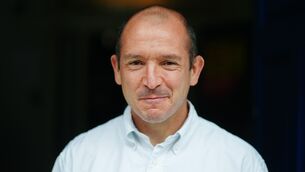
However, Dr Cilian Ó Maoldomhnaigh, the receiver of the clinical research fellowship at the NCRC, said one theory is that the way a baby’s immune system works is different to that of an adult, particularly in the way the immune cells switch on in response to infection.
“This shift in function requires the cells to change how it generates energy and the products it needs to function,” he explained.
This immunometabolism is increasingly recognised as being vital for immune cells to function properly.
Dr Ó Maoldomhnaigh is conducting his PhD research in the Trinity Translational Medicine Institute. He is a paediatrician and received his certificate of completion in specialist training (CCST) in paediatrics in 2015.
“I hope that this research will improve our understanding of the immune response of babies to tuberculosis infection, which may lead to better vaccines and treatment for this deadly disease.” Dr Ó Maoldomhnaigh said.

CONNECT WITH US TODAY



Be the first to know the latest news and updates