Code of ethics now at centre of all Garda duties
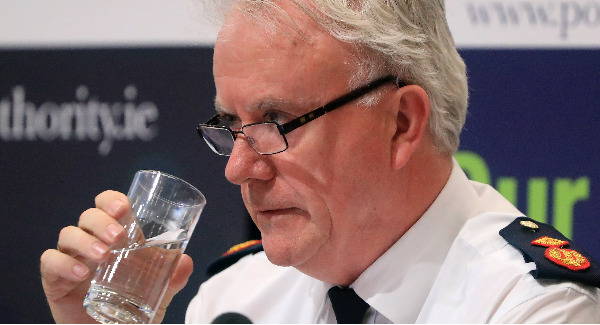
The acting Garda Commissioner has described 2017 as “a challenging year” for gardaí, which was marked by “unacceptable behavioural and governance failures.”
Dónall Ó Cualáin said, however, that there had also been “significant positive developments”.
In the latest annual report of An Garda Síochána, Mr Ó Cualáin acknowledged the major controversy which emerged over the widespread inaccurate recording of roadside breath tests on motorists over an eight-year period.
The commissioner said it was “not in keeping with a professional and ethical police and security service”.
He said the issue had also highlighted “poor supervision, a disregard for data quality, management, governance, systems and training.”
Mr Ó Cualáin said a focus of the force last year was introducing new systems and processes “so such failures can’t happen again”.
He said there also needed to be cultural change among gardaí which is why the Code of Ethics introduced last year had become the basis for all garda work.
He said there was a clear determination and commitment within the force to cultural change and implementation of the Modernisation and Renewal Programme, although he accepted that the pace of change was not as quick as gardaí would like.
Mr Ó Cualáin said 2017 had been marked by many operational successes, including against gangland crime, while Operation Thor had “saved thousands of people from the trauma of suffering a burglary”.
The acting commissioner, who is due to retire in September with the appointment of the new commissioner, Drew Harris, the current PSNI deputy chief constable, also welcomed the fact that 2017 was the lowest level of road deaths since records began in 1959 with 159 fatalities — a 15% decrease on 2016 figures.

The report showed that the force had met 48 objectives of its 2017 Policing Plan but had not met 27 targets, while 14 were partially achieved.
Among the targets not reached were increased detections of burglaries, robberies and assaults, the re-opening of Garda stations and the recruitment of 300 new members of the Garda Reserve.
The annual report reveals an average of 26 people were reported missing each day last year.
A total of 9,522 missing cases were filed in 2017 — a decrease of 3% over the previous year.
Gardaí said the vast majority were located within a short period of time but 36 still remained missing at the end of the year.
There was also a substantial increase in the number of victims of child sex abuse identified by gardaí following the establishment of a Victim Identification Unit as part of the Garda National Protective Services Bureau in July 2017.
The report also reveals that 145 gardaí were disciplined last year for breaches of regulations with various sanctions imposed including fines totalling €59,880.
One garda was dismissed from the force, while 28 gardaí were on suspension at the end of the year.