Three separate challenges initiated to 8th Amendment referendum result
Three separate applications have been initiated seeking permission to bring petitions challenging the result of the referendum to repeal the Eighth Amendment.
All three have been adjourned to Monday when they will come before the president of the High Court, Mr Justice Peter Kelly.
One of the petitions is by a Dublin woman, Joanna Jordan, who previously failed in her petition seeking to overturn the resultof the 2012 Children's Referendum.
The second is by Charles Byrne, a musician and piano teacher from Drogheda. The third is by Ciaran Tracey, a retired public servant from Leitrim village.
Ms Jordan, St Kevin’s Villas, Glenageary Road Upper, Dun Laoghaire, is representing herself and has made various claims, including that large numbers of potential No voters being unable to vote due to “de-registering”. She also claims there was an unexplained “swing” towards the Yes side.
Mr Byrne, represented by Cormac o Ceallaigh solicitor, has made a range of claims concerning the Referendum Commission’s information campaign and booklet, including that those failed to convey the nature, breadth and legal effect of the proposal being voted upon.
He also claims “mis-statements” were publicly made by the Taoiseach and Minister for Health during the referendum campaign.
In his case, Mr Tracey also challenges the Referendum Commission’s information campaign and booklet and says that included a “serious” omission in not referring to a decision of the European Court of Human Rights in the case of D v Ireland concerning the circumstances surrounding abortion in Ireland for fatal foetal abnormalities.
That omission was sufficiently serious to have had a material effect on the outcome of the referendum, he claims.
Mr Tracey claims the natural sincere sympathies of Irish people for women experiencing such pregnancies were “played upon” by politicians advocating a Yes vote.
Under the Referendum Act, applications to bring petitions seeking leave to challenge the result of a referendum must be presented seven days after the official result is published in Irish Oifiguil.
That notice was published on Tuesday May 29 and Ms Jordan and Mr Byrne moved their intended petitions at the High Court on Monday.
Mr Justice Michael White, who was the duty High Court judge on the bank holiday, granted both applicants leave to prepare a petition and to serve a notice of motion.
He also directed the matter would return next Monday before Mr Justice Kelly.
This afternoon, Mr Treacy, representing himself, said he wanted permission to challenge the referendum result via a petition and outlined the basis for that.
Mr Justice Kelly said he would adjourn the application to Monday so notice could be given to the relevant parties.
In her proceedings, Ms Jordan claims “evidence is coming in of large numbers of potential No voters who were unable to vote due to de-registering” and those included convents of nuns and residents of nursing homes.
She also claims “thousands of young Irish citizens who were paid to return to vote” were not questioned at polling stations about their time of residency abroad.
She claims she canvassed for a No note over 17 weeks in Dublin city centre and most people were initially in favour of a Yes vote. By early May, there was a shift to a No vote which continued until May 24, she claims.
A “foreign journalist” told her on May 24, the eve of the referendum, that the polls were showing a “2.6% differential”, she said. “Within 24 hours, the result showed an increase of 20%. Such a swing is not possible.”
She claims the tally of the number of votes cast per polling box was “not always given” when requested by the No side at the close of voting on May 25. That “begs the question” whether the number of ballots counted from 9am on May 26 was the same as the number of ballots in the boxes at 10pm on May 25, she says. “If not, it could account for the 20% overnight swing.”
In his application, Mr Byrne claims various public statements by the Taoiseach and other government members to the effect the Eighth Amendment endangered women’s lives misled any voter who heard them and must also have undermined the credibility of No campaigners making contrary assertions.
He also said he had been informed of “multiple instances” of persons previously on the register of electors who found themselves unable to vote because they were “without explanation” no longer on the register. Examples were the Poor Clare communities in Galway and Clare.
He was also informed of “multiple cases” of persons receiving two polling cards each.
Some of the numerous persons who returned to Ireland to vote had admitted to doing so illegally, he added.
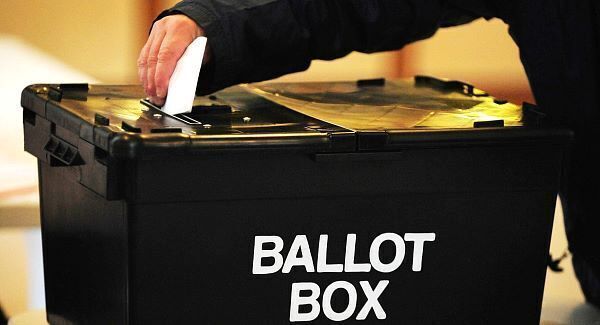
He said he was informed many non citizens got polling cards and the number of registered voters for the referendum was “grossly in excess” of the numbers entitled to be registered. Tallies from some boxes also indicated turnout figures of more than 100%, he said.
In his case, Mr Tracey told the court today that the scope of the change to be effected by repeal of the Eighth Amendment was not sufficiently addressed by the Referendum Commission.
The omission of a reference to the ECHR D case judgment was very serious because that judgment had referred to a resolution under Article 40.3.3. for those experiencing a pregnancy involving life-limiting conditions, he said.


CONNECT WITH US TODAY



Be the first to know the latest news and updates