Varadkar: Hospital crowding progress slow, but is improving
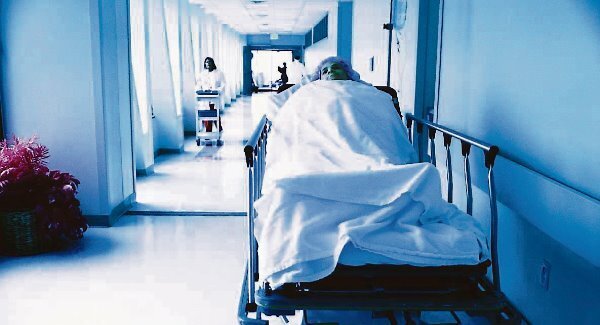
The Health Minister has admitted that progress on reducing wait times in emergency departments has been slow, but said it is improving.
Leo Varadkar was speaking at the first gathering of health professionals from all five clinical programmes.

Yesterday morning, 459 people were waiting on wards and trolleys of emergency departments across the country.
While the numbers are down from their peak in Winter, progress is painfully slow, and is hampered by the delayed discharge of older people from hospital.
At the start of the month, 44m in extra funding was announced to the fair deal scheme, in a bid to speed up delayed discharge, and waiting lists are down from 11 weeks to four for that scheme.
"The progress has been slow, but we did know it would be slow," Varadkar said.
"We know that when it came to lifting the budget cap on the fair deal [scheme] it was estimated that it would take about eight weeks before we'd see an effect I the hospitals. And we're not quite at eight weeks yet."
Today, for the first time, professionals from all five clinical programmes have gathered at the college of physicians to discuss the health system as a whole.
Professor Garry Courtney, national clinical lead for acute medicine, said time pressures and other issues have prevented them from meeting before.
He also said the culture of the health service had changed, and that new drugs and transplant procedures had seen major improvements - changes which, he said, cannot be seen by the public.
"There was a bit of a turf war in the past, of 'what's mine I'll hold' - and now we have to realise the walls inside a hospital, between surgery and medicine, will have to dissolve.
"What people see is the queues at the door, the emergency department [and] trolleys. But behind that there's a lot of work going on, and the health service has improved enormously."