Number of injuries to cyclists on the increase
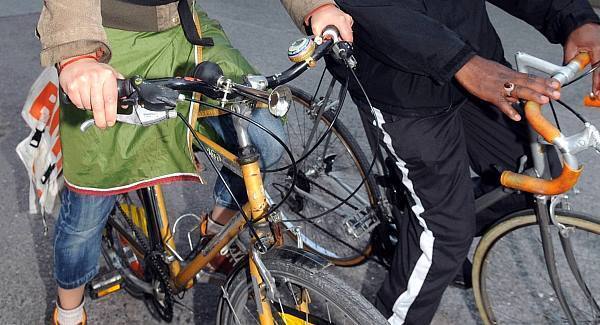
The number of cyclists injured on the roads has soared to record levels, the Road Safety Authority revealed today.

Number of injuries to cyclists on the increase

The number of cyclists injured on the roads has soared to record levels, the Road Safety Authority revealed today.

Some 630 bike users suffered injuries in 2012, up from 395 the previous year and resulting in a 59% increase in the amount of accidents.


Dublin recorded the most accidents for cyclists, while the research found that three quarters of bicycle accidents occurred in daylight hours, mostly between 5pm and 7pm, and were more likely to involve men.

Some 335 cyclists – just over half of all those caught up in accidents in Ireland – were injured on Dublin's streets.

There was also a 200% increase in cyclists with spinal trauma injuries being referred to the National Spinal Centre over a four year period, the review found.

Moyagh Murdock, RSA chief executive, warned that speed was the biggest danger and that drivers who break limits were doing most damage to cyclists.

“Drivers need to pay greater attention to their speed, particularly in urban areas, as this pre-crash factor decides whether the cyclist survives the impact of a crash,” she said.

“The vast majority of drivers are speeding in areas that are used in large numbers by vulnerable road users.”

The RSA called for 30km/h speed limits already in place in limited parts of Dublin city centre to be extended to all towns and cities, but stopped short of demanding that cyclists are catered for on segregated paths.

A spokesman said: “The one thing that we need to do is to look at the speed which cars travel at, certainly in towns and cities across the country – are the speed limits appropriate given the fact that the areas are pedestrian and cyclist rich?”

The RSA pointed to initiatives in Edinburgh where 20mph (32km/h) zones are in 80% of the city centre and in Spain were laws are being adopted to dramatically reduce speeds in towns and cities.

The number of cyclists killed over the last 10 years peaked in 2007 when there were 15 deaths, but the figures gradually crept up again from eight fatalities in 2012, to five in 2013 and then 13 last year.

The RSA research found:

* More than four in 10 cyclists who were injured in 2012 were cycling for leisure at the time and only one in 10 were cycling to or from work.

* Almost half of cyclists injured were struck in accidents at junctions, with T-junctions representing the most dangerous point on the road network.

* The most dangerous manoeuvres taken by drivers include right turns - accounting for one fifth of all accidents – followed by left turns – accounting for one sixth.

The RSA said it was too early to say whether the number of road accidents involving cycling is growing exponentially.

But research shows there was a 9.6% increase in people cycling to work in 2011 to 39,803 and a further 21,374 people cycling to school or college.

Cyclists make up just 0.2% of road users but are involved in 5% of road accidents.

Cyclist injuries peaked during May to September when more people take advantage of better weather and also evening and morning rush-hours sees an increase in accidents.

Other findings which reflected the growing popularity of cycling in some groups was that over half the accidents in 2012 involved people aged 25-49 and more than eight in 10 injuries were sustained in built up areas rather than rural roads.

The RSA said it supports the campaign for Jake’s Law – an initiative to have speed limits in estates cut to 20km/h spearheaded by Roseanne Brennan whose six-year-old son Jake was killed after he was struck by a car outside her family home.

The safety chiefs also urged cyclists to be increasingly vigilant, particularly when on city streets and when out for leisure purposes.

“Cyclists need to be vigilant too at junctions and to watch for cars making a turn and give plenty of room for them to do so. Cyclists should never travel without adequate lighting, and should always wear a helmet and luminous clothing such as hi-vis vests,” Ms Murdock added.

x

More in this section

Lunchtime News

Newsletter

Keep up with stories of the day with our lunchtime news wrap and important breaking news alerts.

Cookie Policy Privacy Policy Brand Safety FAQ Help Contact Us Terms and Conditions

© Examiner Echo Group Limited