Mozambique to benefit from largest Irish Aid payout
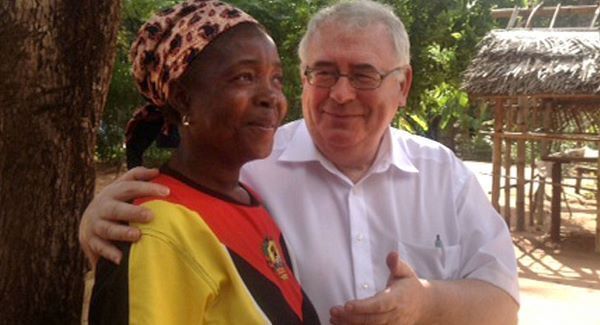
Up to €623m will this year be donated through Irish Aid to seven developing countries with €37.5m – the single biggest pay-out – to Mozambique.

Mozambique to benefit from largest Irish Aid payout

Up to €623m will this year be donated in overseas aid, including €37.5m – the single biggest pay-out – to help Mozambique get it back on its feet.

The majority of the funding will go through Irish Aid to NGOs and nine developing countries.

About a million people were killed during a brutal 16-year civil war which ravaged the east African country until a peace deal was struck in 1992.

The economy, hospitals, schools and infrastructure were destroyed, while thousands of landmines are still being cleared from the countryside.

Floods recently devastated parts of the country, leaving tens of thousands homeless.

Minister Joe Costello revealed despite the tightening of purse strings in households and by Government, Irish people still want to give generously to others less well off.

“If we look at the population of Mozambique, 50% survive, they don’t live they survive, on less than half a dollar a day,” said the Dublin TD.

“In terms of poverty there’s no comparison. [It's] the same with other countries we’re involved in.

“They’re chosen because they are among the seven poorest in the world.

“We still have hundreds of millions of people who go to bed hungry, there’s still huge numbers of infant and maternal mortality, there’s people dying from HIV and Aids and there’s huge catastrophes taking place.”

Ireland was last year forced to defend its oversees aid budget after €4m was siphoned off in Uganda where officials colluded in an “sophisticated and elaborate” fraud.

Tougher measures were put in place because of the scandal, which was linked to staff from the prime minister’s office, the finance department, including the treasury, and the Bank of Uganda.

But Mr Costello maintained the controversy was a good example of how practices, regulations and training put in place by Irish Aid works as the country’s own auditor general spotted the fraud right up to the office of Prime Minister Patrick Amama Mbabazi, who denied any knowledge of missing money.

“That indicated there was no fear or favour in relation to the highest authority in the country,” Mr Costello added.

During a recent two week visit to South Africa, Tanzania and Mozambique, Mr Costello said he saw how first hand donations are being spent and was satisfied money is being used effectively in dealing with humanitarian crisis, like famine and drought, to putting preventable measure in place.

“Particularly the emphasis on nutrition and hunger, where there’s that legacy that comes to bear from the times of the famine to the present,” added the minister of state for trade and development.

But with Africa dubbed one of the economies to watch in the next decade, plans are in place to increase trade between Ireland and Mozambique, which is on the cusp of a resource boom.

An estimated 4,000 people work for Irish companies there, including Kenmare Resources which recently posted record profits.

For now the Irish taxpayer is still battling in the fight against HIV/Aids and other killer diseases, while money is also ploughed in to long-term projects including training civil servants, supporting small businesses like a coconut oil plant, and getting communities and organisations to make political leaders accountable.

Grants were given to the Mozambique branch of WLSA (Woman and Law in Southern Africa) as they lobbied and campaigned until domestic violence laws were changed in 2009.

“It was a great victory,” said co-ordinator Terezinha de Silva, whose group now aims to train judges, prosecutors, forensic officers and doctors how to implement the tough legislation.

Elsewhere the ritual of putting young boys and girls through gruelling initiation rites will be uncovered in a documentary funded by Irish taxpayers through the embassy in Maputo.

Huge amounts are also being spent in agriculture, where the humble spud is helping the fight against child deaths in Africa.

Varieties of potato and sweet potato from around the world are being bred and developed by the International Potato Centre (known as CIP) to grow in areas plagued by drought to give life-saving nutrition to mothers and their infants.

Ireland, which was devastated with a Great Famine when our own potato crop failed, is donating €1.7m over the next four years to roll out the programme that could reach up to 100,000 people in the poverty stricken Niassa province.

But in the small village Manhala in the Inhambane province a group of women were supported in setting up a credit union style village savings and loans club, where strict rules include members being fined for using a mobile phone during meetings.

Grandmother Angelina Jose, 48, used the interest from her savings to build a new clay and straw hut while short-term loans give her the money needed to make the seven hour trip to Maputo to sell coconuts.

“It has change my life a lot because on my own I couldn’t have built this house,” she added.

More in this section

Lunchtime News

Newsletter

Keep up with stories of the day with our lunchtime news wrap and important breaking news alerts.

Cookie Policy Privacy Policy Brand Safety FAQ Help Contact Us Terms and Conditions

© Examiner Echo Group Limited