AIB 'will seek to keep people in their homes'; FF: banks coming to get you'
Two banks have welcomed today's announcements by the Central Bank and the Government on mortgage arrears.
However, Opposition parties say too much power has been left with the banks in dealing with those unable to pay their mortgages.
The Government has unveiled plans to come up with solutions for 95,000 homeowners who are unable to pay their mortgages.
Finance Minister Michael Noonan said the vast majority of families will be offered a solution by the six main banks.
AIB, ACC Bank, Bank of Ireland, KBC Bank, Ulster Bank and Permanent TSB will have to offer long-term sustainable loan restructuring to 20% of their customers, more than 90 days in arrears by the end of June.
These will range from split mortgages, to extending interest-only periods and in some cases repossessions.
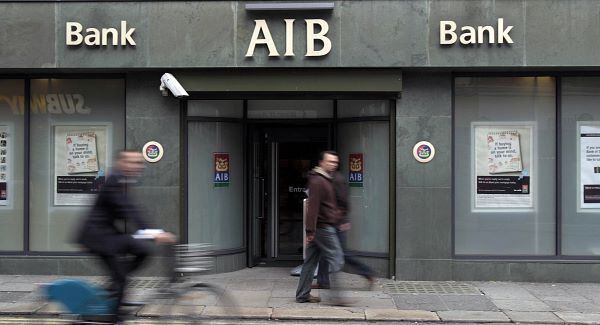
AIB welcomed the announcement, saying the measures will complement the major work of engagement already undertaken by AIB with their customers.
They said: "In particular the proposed changes to the Code of Conduct on Mortgage Arrears, as well as legislation in relation to Ms Justice Dunne’s ruling in July 2011 on the Land and Conveyancing Law Reform Act, will assist the bank in increasing the pace of implementing resolutions for customers in mortgage difficulty. "
AIB’s CEO David Duffy said: "Today’s announcements represent important steps forward in dealing with the complex issue of mortgage arrears. AIB is focussed on meeting and, where possible, exceeding the targets outlined today by the Central Bank over the course of 2013 and beyond.
"AIB is already engaging with a significant portion of our customers in arrears. The bank has the staff, resources and product solutions in place to assist our customers through this process."
The bank urged all customers facing difficulties to engage with them as soon as possible.
Mr Duffy added: "The bank is wholly committed to working with customers in difficulty on a case by case basis in a collaborative process aimed at reaching agreement.
"In cases where customers are engaging openly and fully with the bank in reaching a solution, our policy is that, where mortgage repayments are being prioritised, the bank will seek to keep people in their homes wherever possible."
Minister Noonan expects repossessions to rise significantly, especially among 'buy-to-let' property owners.
Banks will be set targets on how many cases to resolve each three months and those who fail to meet those will have to set aside some of their capital.
The Minister wants half of those who cannot pay the mortgage to be offered a solution by Christmas.
However, Fianna Fáil's Michael McGrath said it simply gives too much power to the banks.
He said: "I think that there is no doubt, but that the people who have most to fear from today's announcement are people who are struggling to pay their mortgage at the moment, people not yet in arrears and people who are currently unable to pay their mortgage.
"The message today is that the banks are coming to get you and the Government is supporting them in that process and that is what I get when I read what is being proposed in the revised code of conduct and in the targets that have been set out."
Permanent tsb said it is committed to addressing the problem of customers with mortgage arrears in "as constructive a manner as possible".
The bank said that "no issue is of greater importance to permanent tsb bank than to address the issue of mortgage customers in arrears".
In a statement the bank said: "The bank welcomes in particular the emphasis placed on the need for customers to engage with their banks with a view to agreeing workable solutions that are both realistic and capable of being sustained.
"Over recent months permanent tsb has made very significant progress in reducing the flow of new customers entering arrears through a much more dynamic engagement with customers and a significant investment in technology and personnel in our Asset Management Unit (AMU).
"We are committed now to making progress in terms of putting viable, longer term solutions in place for customers with arrears problems which strike a fair balance between the needs of customers on the one hand and the obligation on the bank to protect capital on behalf of taxpayers on the other."