Counting in North's election to begin today
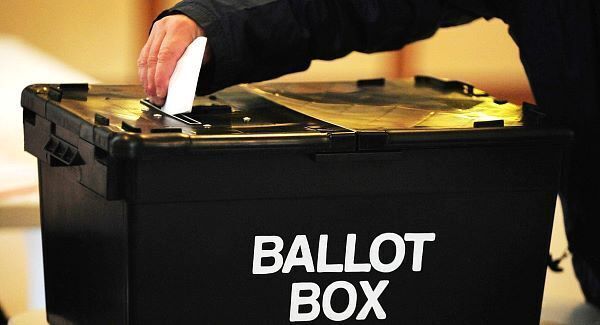
Politicians in the North face marathon election counts that get under way today to fill seats in the Stormont Assembly and in the region’s 26 local councils.
The final shape of the power-sharing Assembly will not be known until Saturday evening, and it will be Monday before counting even starts for the council elections.
The DUP is predicted to remain in pole position at Stormont as the largest grouping within the unionist bloc, but also the largest party overall.
Sinn Féin is expected to comfortably retain its status as the dominant nationalist voice.
While Sinn Féin’s continued growth has threatened to see it seize the DUP’s lead role, forecasts suggest such a result is unlikely.
There will be close attention paid to the performance of the Ulster Unionist Party and the SDLP who both trail their larger rivals.
The smaller groups also face a challenge from the cross-community Alliance Party which is hopeful of making gains.
In the 2007 Assembly election the DUP took 36 seats, Sinn Féin 28, the Ulster Unionists 18, the SDLP 16 and Alliance seven.
The Green party hopes to retain its one-seat toehold at the Assembly.
And the hardline Traditional Unionist Voice party, which once had hopes of derailing the power-sharing experiment, now hopes it can at least gain a presence at Stormont and challenge the system from within.
Polls closed at 10pm yesterday and while the result of the UK-wide AV referendum will be known tonight, candidates for Assembly and council seats face an anxious wait.
Turnout figures will be closely watched in the wake of a low-key election campaign, amid fears they may have dropped.
Data supplied by the electoral office showed turnout for Assembly elections in 1998 was 69.9%, in 2003 it was 63.9% and in 2007 it was 62.9%.
Voter turnout has been in decline in Northern Ireland – with the figures dropping as the peace process has developed and the fear of a return of large scale violence has receded.
The run-in to polling day was, nevertheless, marked by an upsurge in violence by dissident republican groups opposed to the peace process.
The extremists launched a series of attacks, culminating in the murder of Police Constable Ronan Kerr who was killed when a booby-trap bomb exploded underneath his car in Omagh, Co Tyrone last month.
Politicians and community leaders from across the religious divide united in the aftermath of the murder.
The 25-year-old policeman’s family urged voters to come out in strength and cast their ballots in support of peace.
The 108-member Assembly will be filled when six successful candidates have been elected in each of the region’s 18 constituencies.
The contest for the 26 councils is likely to be the last of its kind, with the Northern Ireland Executive expected to implement a plan to reduce the figure to 11 councils.