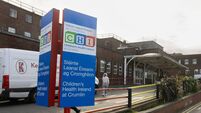
Number of patients on hospital trolleys hits record high
A record 500 patients were treated on trolleys in hospitals today – higher than the 2006 beds crisis which Health Minister Mary Harney branded “a national emergency”.
The Irish Nurses and Midwives Organisation (INMO) claimed A&E units have reached breaking point with corridors crammed with the sick and injured.
Dave Hughes, INMO deputy general secretary, called on the Government to take action before the situation worsens.
“Politicians should pause in their preoccupation with the economic state of the country and address this human rights issue which is now emerging in our Emergency Departments,” he said.
The HSE rejected the INMO trolley watch figures, recorded every day at 8am, and said in the six hours to 2pm the number of patients on trolleys fell from 385 to 228.
“The HSE regrets the inconvenience that waiting for admission can cause for patients,” it said in a statement.
“We wish to assure patients that staff, many of whom have been working particularly hard during recent weeks due to the extra demands caused by adverse weather, are endeavouring to minimise the inconvenience that may arise.
“As a priority the HSE has instructed hospitals to ensure that all those waiting for treatment and admission are accommodated in a manner that is dignified and respectful.”
The HSE blamed busy A&E units on the number of people suffering injuries on snow and ice combined with the level of scheduled elective operations and the outbreak of the winter vomiting bug in hospitals and nursing homes.
Despite the highest waiting figures on record, the INMO said Mrs Harney was not likely to again declare the overcrowding a national emergency like she did in 2006 when figures reached 495.
“The Minister for Health seems to accept that it is okay for patients to be lying on trolleys when wards in the same hospital are empty,” Mr Hughes said.
“We need the Minister and the Health Service Executive (HSE) to reopen closed wards and address staff shortages.”
Blaming injuries and illness from the weeks of freezing weather and limited Government finances, Mr Hughes said the beds crisis in Ireland’s hospitals is intolerable.
“The combination of the worst weather conditions experienced in Ireland for over 40 years, the unprecedented public finance crisis, the legacy of delayed discharge of patients and the shortage of medical doctors, are all conspiring to worsen what unfortunately has become a regular feature of over-crowing in emergency departments,” he said.
The INMO claimed 896 beds have been closed by the HSE since January 2009.
It is unlikely the situation will be resolved until more beds are made available, Mr Hughes claimed.
“We will not see any real reduction in overcrowding in the next two to three months unless closed wards are reopened,” he said.

CONNECT WITH US TODAY



Be the first to know the latest news and updates