Parades review chairman to head Omagh memorial team
A churchman who led dialogue on parading disputes will spearhead independent efforts to resolve the row over the Omagh bomb memorial.
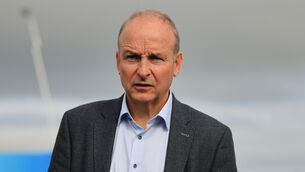
Former Presbyterian moderator, the Rev John Dunlop, will head a three-strong team including the Catholic and Quaker churches searching for appropriate wording on a shrine to the 1998 Real IRA victims.
Omagh District Council commissioned the monument in time for next year’s 10th anniversary of the explosion.
Victims’ families claim the Sinn Féin-dominated council objected to having the words “dissident republican car bomb” on the memorial plaque.
Mr Dunlop said: “We were horrified by the atrocity and deeply moved by the events surrounding the bombing of the town.
“It shocked and brought tears to the eyes of people all over the world and brought messages of revulsion and support from many nations.
“We, as a team can only do what we have been asked to do with help from the bereaved or the injured and the people who were affected by the bomb.”
A total of 29 people, including a woman pregnant with twins, were killed in the car bomb blast in the County Tyrone town’s main shopping street.
Victims were scattered across the road, blown apart by the force of one of the worst explosions of the conflict.
The other members of the independent facilitation team are Father Brian Lennon, founder of Community Dialogue, and Olive Hobson, a peace-builder from the Quaker House in Belfast.
Mr Dunlop was instrumental in the parades review group that led to the Parades Commission, which determines the route of controversial marches.
The Belfast minister has also led efforts to improve community relations in north Belfast.
Also present at the launch today was Lawrence Rush, whose wife Libby was killed in the atrocity.
He told the panel he did not agree with the decision to build a monument and questioned the £250,000 (€358,000) expense involved.
“I have my memorial, my memorial is my children. I don’t need a memorial in the centre of Omagh, opposite my wife’s shop,” he said.
“A more fitting memorial to the young people of Omagh would be a bursary or scholarship.”
Mr Dunlop’s team aims to hold confidential meetings with all bereaved families and survivors.
They will submit a final report with recommendations by the end of February.
Newspaper advertisements will be placed next week soliciting responses.
Danny McSorley, chairman of the Omagh Memorial Working Group and chief executive of Omagh District Council, welcomed the appointment.
“Omagh District Council and Omagh Memorial Working Group have no pre-determined outcome in mind in respect of this process,” he said.
“It is our sincere wish to ensure that all those affected by the atrocity have the opportunity to contribute and discuss their views in a private and confidential manner so that the permanent Omagh bomb memorial will, as far as possible, be accepted and valued by all.”