Government publishes plans for hard Brexit
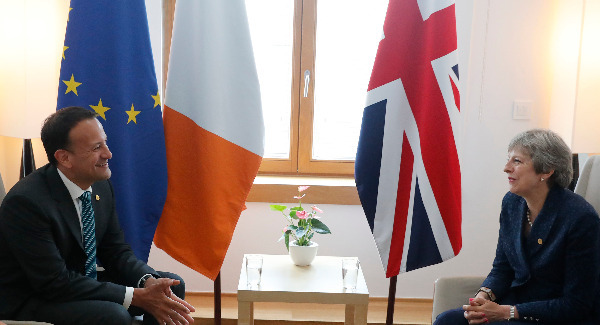
The Government is now preparing for a worst-case scenario and is ramping up preparations at Irish ports and airports in case Britain crashes out of the EU.
Contingency plans for a hard Brexit will be published today after they are discussed at a special Cabinet meeting in Co Kerry.
Mr Varadkar said a deal could be hammered out between the EU and the UK before the crunch October deadline, but he is not sure if the Tory government could get any withdrawal agreement through the House of Commons, based on current numbers.
British prime minister Theresa May last night survived a key vote as her government defeated an amendment from Tory backbench MPs to a bill which would have kept Britain in a customs union with the EU even if it fails to agree a free trade deal.
Mr Varadkar moved to play down the turmoil engulfing Ms May’s government, claiming the loss of a number of key votes on Brexit and the agreed backstop is not a “cause for panic”.
Given the turmoil in Westminster we can’t make an assumption the withdrawal agreement will get through Westminster. It is not evident or not obvious that the government in Britain has a majority for any form of Brexit, quite frankly,” he said.
Tánaiste and Foreign Affairs Minister Simon Coveney is to present contingency plan to Cabinet today, including the bolstering of customs checks and an increase of staff at ports and airports to deal with the Brexit fallout. All Government departments are developing strategies to ease the impact a cliff-edge Brexit would have on trade, our economy, and movement across the border.
While Mr Varadkar confirmed that more customs and veterinary inspectors will be hired at ports and airports, he stressed that the Government is not preparing for a hard border. “I am very confident we can still come to a withdrawal agreement including a backstop arrangement in October, but it is prudent for any government to prepare for the worst and we do have to do that,” he said.
“The position here in Ireland, with the Government in Dublin, in London, and in Brussels is that there won’t be a hard border between Ireland and Northern Ireland. Nobody wants that.”