Irish Water facing 12 cases against it by EPA
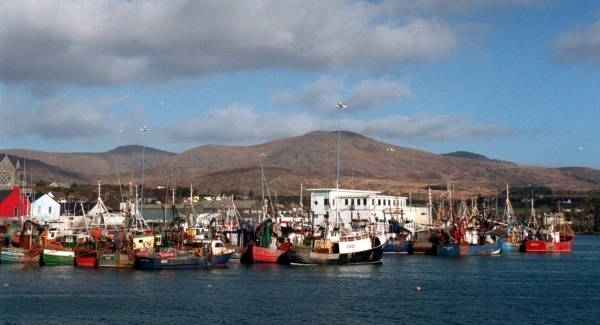
The next case being brought by the EPA against the water utility is in regard to the scenic West Cork village of Castletownshend, with the action due to be heard in the Four Courts next week.
Another case due to be heard in the near future relates to waste water in Castletownbere.
Since the beginning of last year Irish Water has been hit with €80,667 in fines and costs and has also paid €34,500 for legal representation with respect to prosecutions brought against it by the EPA.
Irish Water said in addition to the eight convictions it is also prosecuted in another eight cases and there are 12 prosecutions in train, being brought against the utility by the EPA.
That compares with a total of 20 convictions secured against local authorities since 2000, as well as two other convictions secured against town councils, now defunct, in the same period.
The EPA said there were 44 areas where untreated sewage is being discharged, including Castletownbere, and that it was working with Irish Water to ensure these issues were addressed and to “keep a focus on resolving issues, in particular where their plans/timelines may have slipped”.
However, a spokesperson for Irish Water said while it has made considerable progress on some schemes, delays can still occur: “We have given public timescales for each of the locations affected and we are working towards those timescales within the confines of the statutory frameworks applicable to these complex environmental projects.
"When a prosecution arises, Irish Water outlines to the courts our best endeavours towards resolution of the compliance deficit and we make every effort to deliver on those in line with our Capital Investment Plan.
"Delays can occur, outside of Irish Water control, in relation to planning delays in particular.”
The spokesman said the decision to take a prosecution against Irish Water on environmental grounds is entirely a matter for the EPA in its regulatory role and since it assumed statutory responsibility for meeting water standards passe to the utility in 2014, Irish Water had to address “a wide range of challenges, in particular, drinking water at risk, meeting urgent growth needs and resolving critical asset failure risks such as high burst frequency mains replacement”.
The Irish Water spokesperson cited the building and upgrading of wastewater treatment plants in various locations, but added: “Where no developed plans were available or those inherited were unsuitable, the process of providing a new wastewater treatment plant is lengthy and complex, defining the timeframe within which we can deliver solutions.”
Community campaigner and Castletownshend local, George Salter-Townshend, said the current situation, where wastewater is going into the sea, represents “a systemic failure of local and national government”.
He had supported a proposal for a wastewater treatment facility at the turn of the millennium, as part of a wider development, which ultimately did not proceed.
He said the issue needs to be resolved as the problem worsens in the summer months.