Hospital bed demand to rise by a third
The Economic and Social Research Institute has produced a map of the healthcare system between 2015 and 2030.
In a report published today, it reveals demand for healthcare will increase substantially across all sectors in the years ahead.
They are the first ESRI projections to be published based on the 2016 Census, and show that the highest demand is for services for older people.
Demand for home-help care and residential and intermediate care places in nursing homes is expected to increase by up to 54%.
The share of the population aged 65 and over is expected to increase from one in eight to one in six.
However, the number of people aged 85 and over is forecast to double.
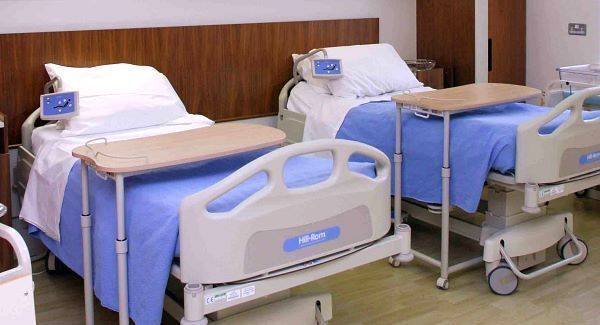
Public hospitals could experience a 37% increase in demand for inpatient bed days, from a level of 3.27m in 2015.
Private hospitals will also come under pressure, with a 32% increase in bed demand.
Emergency department attendances are forecast to have increased by between 16% and 26% by 2030, from just over one million in 2015.
Demand on GPs will also increase, up 27%, from 1.5m visits.
Public hospitals bore the brunt of the demand in 2015, providing 85% of total inpatient bed days, compared to 15% provided by private hospitals.
Over the same year, people paid privately for 27% of total home-help hours.
The increased demand for services will have to be funded by additional expenditure, capital investment, and an expanded workforce.
The report reckons that greater funding will be needed.
“Additional investment will be required in most forms of care to meet the needs of a rapidly growing and ageing population,” the report states.
However, the population growth will also increase the number of people at work who will contribute to the national income and to the revenue base to fund healthcare.
The projects in the report assume that there will be no change in models of care. Such changes could have a see-saw effect, reducing demand growth in some sectors and increasing it in others.
In particular, demand for long-term and intermediate care places in nursing homes, and other settings, is expected to have increased by between 40% to 54% by 2030, from a baseline of 29,000 in 2015.
Demand for home-help hours is forecast to rise by between 38% to 54% over a 25-year period, from 14.3m in 2015.
ESRI senior research officer and lead author, Dr Maev-Ann Wren, said the report showed that expansion would be needed in most forms of care to meet the population need.
Health Minister, Simon Harris, said he had long been of the view that capacity needed to increase in the country’s health services, but that it must be evidence-based.
“My department’s collaboration with the ESRI, and the work already under way on the bed-capacity review, signifies our commitment to integrate relevant, high-quality evidence into the fabric of our planning and decision-making, so that we can create better health and social care services in the years and decades ahead.”