Numbers attending hospital after self-harming rise by 10%
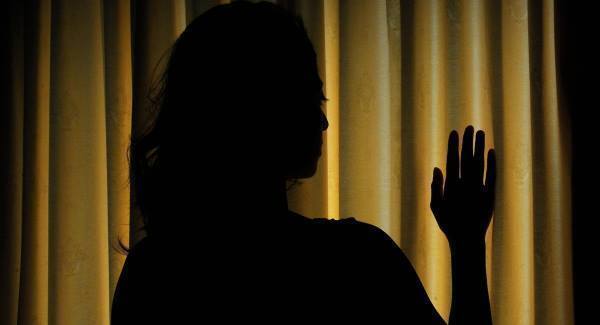
There has been a 10% increase in the number of people presenting to hospitals due to self-harm in the last 10 years.

Numbers attending hospital after self-harming rise by 10%

This is according to the latest figures from the National Self-Harm Registry Ireland, which is funded by the HSE’s National Office for Suicide Prevention.

Almost one third of the 8,909 people who visited emergency departments in 2016 as a result of self-harm did so more than once — there were 11,485 presentations last year.


More females presented than males and the peak age profile was from 15-24 years of age.

The peak rate for women was in the 15-19 years age group at 763 per 100,000, whereas the peak rate among men was in 20-24 year-olds at 516 per 100,000.

These rates imply that one in every 131 girls in the age group 15-19 and one in every 194 men in the age group 20-24 presented to hospital in 2016 as a consequence of self-harm. In terms of the general population, one in every 485 people self-harmed in Ireland in 2016.

The peak time for acts of self-harm was midnight and almost half of all hospital presentations were made between 7pm and 3am.

Monday, Tuesday, and Sunday were the busiest nights for hospitals for self-harm presentations.

There were far more incidences in urban areas than rural areas.

In urban areas, 291 people per 100,000 visited hospitals as a result of self-harm — 155 per 100,000 in rural ones presented.

An overdose of some kind was the most common reason why people visited a hospital in relation to self-harm, with medication having a significant role in 67% of cases.

Alcohol was a factor in one in three presentations — or in 34% of male cases and in 29% for female ones.

Just over one quarter, or 27%, of cases related to self-cutting.

Eve Griffin, manager of the National Self-Harm Registry in UCC, said a proportion of people presenting to hospitals after self-harming leave without talking to a health professional.

“We still see that about 13% of persons leave an emergency department without being seen by a clinician or without a recommendation and this is an ongoing challenge,” she said.

However, she said EDs present an “opportunity” to engage with vulnerable people. “Self-harm is the single most important risk factor for suicide and the emergency department is a real opportunity to intervene and reduce suicide risk among a particular group,” said Ms Griffin.

More in this section

Lunchtime News

Newsletter

Keep up with stories of the day with our lunchtime news wrap and important breaking news alerts.

Cookie Policy Privacy Policy Brand Safety FAQ Help Contact Us Terms and Conditions

© Examiner Echo Group Limited