Rail workers threaten strike ballot
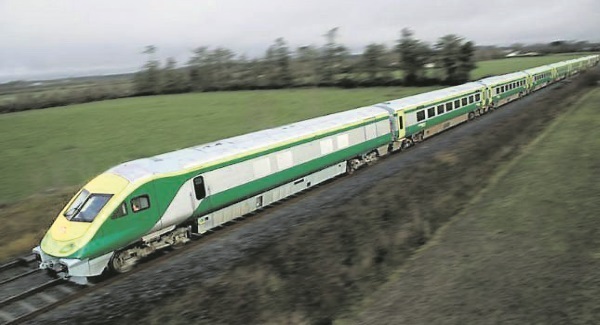
The proposal is one of a number of “efficiencies” proposed by management who have been in faltering talks with staff about a pay rise.
More than 670 staff are currently employed on station duties which include manning ticket desks but Irish Rail says 83% of tickets are bought online or from self-service vending machines and some staff should be redeployed as customer service agents on board the trains.
The National Bus and Rail Union (NBRU) says the move would affect many of the staff, representing a dramatic change to their working day, and it needs to be separately negotiated. Irish Rail says “tens” of workers would be affected and the issue needs to be addressed in the context of the overall pay claim.
NBRU general secretary Dermot O’Leary said the union’s members were not opposed in principle to changing work practices if necessary but he said Irish Rail needed to properly discuss the implications.
“We don’t have a problem with the concept of organisational change but it has to be negotiated,” he said. “We believe there is an intention to frustrate people to the point where they will down tools and walk off the job.”
Irish Rail rejected the claims. A company statement said: “This is the start of a 5-week engagement with our trade unions on a pay claim, as requested by the Labour Court.
“We have presented position papers at the start of this process on a range of issues for consideration by and discussion with our trade unions. We have no doubt the trade unions will similarly present positions and look forward to a constructive engagement.”
The rail unions are seeking a flat rate pay increase of 3.75%, arguing that staff have not had a pay increase in ten years unlike Dublin Bus and Luas workers.
Mr O’Leary said proposals for changing work practices could be negotiated separately afterwards. He put a September 27 deadline on Irish Rail to agree the pay claim or see the workers balloted on strike action.
Irish Rail says it cannot afford pay increases without efficiencies, arguing it has debts of €160m and is forecast to make a loss of €6m this year.
“We have been clear and open with our employees on our very challenging financial position, but believe there is scope to address aspirations for improved earnings through efficiencies which we are seeking to discuss,” it said.
Mr O’Leary acknowledged the company’s financial problems but said they were due to lack of state support. “All public services are subsidised — the problem for Irish Rail is an insufficiency of state support. But it has exceeded the Celtic Tiger years in terms of passenger numbers and revenues and our members deserve a pay increase to recognise their role in that.”
Meanwhile a ballot of Unite members on rejection of the new public sector pay deal concluded yesterday. The union has recommended rejection of the Public Service Stablilty Agreement, arguing it does not go far enough in restoring pay and conditions cut under austerity. The outcome will be brought to a meeting of public sector unions on September 18 where the future of the agreement will be decided.