Almost 1,000 cancers detected as record numbers attend BreastCheck mammograms
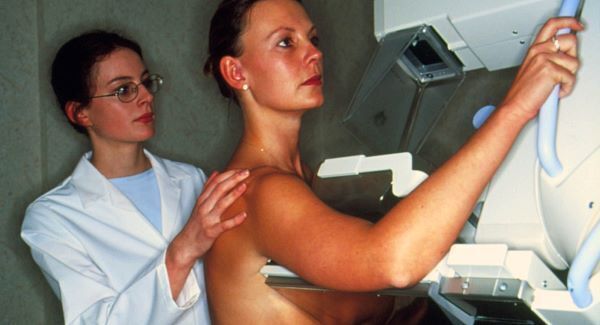
More than 145,000 received a mammogram under the HSE’s national screening service BreastCheck, according to the programme’s latest statistics for 2015-2016.
This record uptake saw 986 cancers detected, which represents the highest number of diagnosed cases since the free service was rolled out in 2000.
In 2015, BreastCheck invited 198,986 women between the ages of 50 and 65, for screening. Of these 145,822 attended their mammogram either in 2015 or 2016, representing an uptake rate of 74.7%.
From this, 986 cases of cancer were detected, which is the highest number of both total and invasive cases ever diagnosed from a single year’s invitation.
Furthermore, 399 small invasive cancers were detected and treated surgically.
During this invitation and testing period, the free screening had been extended to the 65-year-old age group for the first time.
Previously, the eligible age for screening was from 50 to 64 years of age.
Eventually, the age is hoped to be extended to 69.
Charles O’Hanlon, head of the national screening service, described the latest statistics as “significant” and said the aim is to expand the programme to screen more women.
He said: “Expanding the free screening age range is an important development for BreastCheck. It has long been our intention to increase the upper screening age of BreastCheck to women aged 69 years, as there is clear evidence to support this.
“Age extension will continue on a phased basis. Our objective is that by the end of 2021, eligible women aged 50 to 69 years old will be invited for free routine mammograms every two years. This will result in more cancers being detected at the earliest possible stage before they become life-threatening,” he added.
Professor Ann O’Doherty, who is the lead clinical director of the service, urged women who are invited for screening, to make time to go to their appointment.
Prof O’Doherty said the programme has provided mammograms to more than 500,000 women since its inception, diagnosing almost 10,000 cancers.
However, an opposite trend has been identified in the uptake of the cervical cancer vaccine.
Uptake of the HPV vaccine has fallen to as low as 50% among teenage girls, and yesterday the newly-formed HPV Vaccination Alliance made up of more than 30 groups, said urgent action was required to address the low uptake level.
At the start of the new school year in September, 30,000 first-year students will be offered the vaccine as part of the national vaccination programme which began in 2010.
However, the HPV Vaccination Alliance stressed that uptake has fallen “largely due to misinformation about the vaccine spreading on social media”.
In the 2014/2015 academic year, 87% of girls received the vaccine but this rate fell to 50% in the following two years.
Donal Buggy, head of advocacy at the Irish Cancer Society acknowledged parents’ fears around vaccines claims but allayed any in relation to HPV.
“When it comes to the HPV vaccine, the jury is in — the vaccine is safe and saves lives. The Irish Cancer Society has been vocal on this issue for quite some time,” Mr Buggy said.

CONNECT WITH US TODAY



Be the first to know the latest news and updates