Drink and drug driving crackdown at weekend
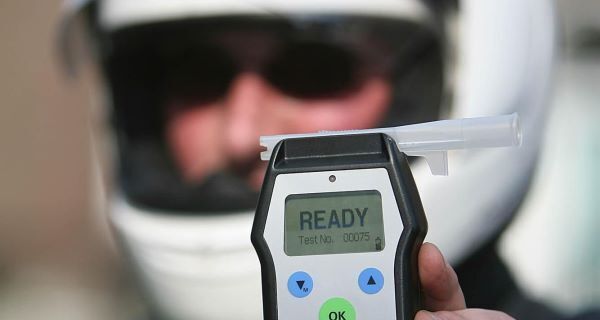
Mandatory roadside drug testing for cannabis, cocaine, opiates and some sedatives will be conducted. New legislation that came into power from midnight allows gardaí carry out roadside checkpoints or mandatory impairment checkpoints to test for the presence of alcohol and drugs. They have 50 mobile testing units and 86 devices installed in stations.
“We’ll have checkpoints in every district throughout the country this weekend,” said assistant Garda commissioner Michael Finn.
In 2016, the Medical Bureau of Road Safety tested 1,225 blood specimens for drugs and 800 (65%) specimens were confirmed to have a drug present. The new test involves the swab sampling of a driver’s saliva. Results take nine minutes.
If a driver tests positive, they face arrest and have a blood specimen taken in a Garda station for analysis.
Motorists who refuse to undergo the new oral test, face a possible €5,000 fine or up to six months in jail.
Professor Denis Cusack from the bureau explained how the law now works.
“Firstly, it is against the law to drive under the influence of drugs, including prescribed drugs, where your driving is impaired to such an extent that you don’t have proper control of the vehicle,” he said.
“Secondly, it is against the law to drive under the influence of certain drugs, regardless of driving performance, above specified levels. There are currently three drugs tested for in this category — cannabis, cocaine and heroin.
While it is recommended to wait 24 hours after last using cannabis before driving, the professor said because illegal drugs are not regulated you can never estimate a level or departure of a drug from your bloodstream accurately.
On testing positive after taking an over-the-counter medicine such as aspirin or cold and flu medicine, new literature from the Road Safety Authority sets out some instances where drivers need to take caution.
Most over-the-counter medicine will not be detected by the new oral fluid test. However, codeine, which is contained in commonly-used drugs, is an opiate and is detectable in oral fluid after use. This is not a problem if you are not impaired. However, codeine does have the ability to cause impairment which could affect your ability to drive safely.
“Drivers with medical conditions should continue to take their prescribed medications in accordance with healthcare advice and medical fitness-to-drive guidelines,” said Prof Cusack. Despite the latest Garda scandal on breath-testing figures, Minister for Transport, Shane Ross said he was confident they can deliver accurate figures for the new drug testing.

CONNECT WITH US TODAY



Be the first to know the latest news and updates