Drug unavailable here ‘is the only bit of hope’ to keep Lewis walking
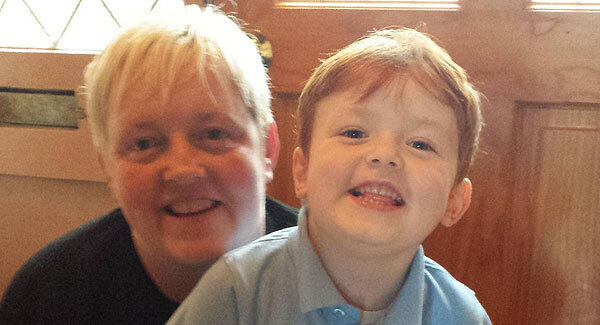
Time for five-year-old Lewis Harte Walsh is precious. He has a rare muscle-wasting condition, called Duchenne muscular dystrophy (DMD).

Drug unavailable here ‘is the only bit of hope’ to keep Lewis walking

Lewis Harte Walsh is a very smart five-year-old. He has just started school and he loves every minute of it.

But time, for Lewis, is precious — he has a rare muscle-wasting condition, called Duchenne muscular dystrophy (DMD).

His mother, Anne Marie, said a treatment, called Translarna, could delay the loss of her son’s ability to walk, but it has not been recommended for reimbursement by the HSE.

The drug, produced by PTC Therapeutics, has been licensed by the European Medicines Agency and is available in a number of European countries, including Britain.

As Lewis starts to lose more and more of his mobility, the window for action becomes smaller and smaller, so time is not on his side.

Anne Marie, who is from Castlebar, Co Mayo, said it took the HSE a year to decide that it would not pay for the drug.

“Lewis is one of five kiddies that I am aware of, at the moment, who are eligible for this drug in Ireland, even though more would have the condition,” she said.

DMD is a severe progressive disease, linked to the X-chromosome and affects mostly boys. Translarna allows the body to ignore mutation in the DNA and to continue to produce the protein dystrophin, which protects the muscles from wasting.

Lewis, who has an IQ of 129, is walking and only uses a wheelchair when he gets tired.

“I do try and keep him out of the wheelchair as much as I can, because, eventually, he will be using it full-time. I find it very hard to accept that,” said Anne Marie.

The boy’s consultant has appealed against the health authority’s decision not to fund the treatment, which could delay the loss of walking for up to seven years.

“Lewis is an amazing child. He is a happy child, and we are blessed with him. The drug is the only bit of hope we have of keeping him on his feet for longer,” his mother said.

The drug has been approved for use in Britain, under a managed access agreement.

It is being made available for a time, so further evidence can be gathered on its use, while also ensuring that patients can get the drug.

Nick Jones, from Cavan, whose three-year-old son has DMD, has just started a petition on behalf of parents of children suffering from DMD to make the drug available in Ireland.

He said the muscle-wasting disease left young adults reliant on wheelchairs, ventilators, and at severe risk of early heart failure.

“This is a crucial landmark in treating Duchenne. Translarna is expected to be the first of other, personalised medicines that are currently in clinical trial and could also become available to treat more young people with DMD,” said Mr Jones.

Meanwhile, an all-Ireland conference in Dublin to mark International Rare Diseases Day, yesterday, heard that the drug-assessment process was failing patients.

Consultant respiratory physician, Prof Gerry McElvaney, believes many of the methods used to assess new drugs are outdated, because they do not consider the enormous changes in how conditions were evaluated and the “onward march” of personalised medicine.

More in this section

Lunchtime News

Newsletter

Keep up with stories of the day with our lunchtime news wrap and important breaking news alerts.

Cookie Policy Privacy Policy Brand Safety FAQ Help Contact Us Terms and Conditions

© Examiner Echo Group Limited