Curlew facing imminent extinction unless action taken
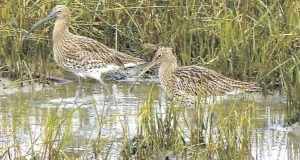
With only 130 breeding pairs of the bird remaining here, the curlew will be extinct within the next 10 years if emergency action is not taken, according to the organisation.
Earlier this year, UK-based radio producer and presenter, Mary Colwell, walked 500 miles across Ireland and England, in a bid to raise awareness of the plight of the curlew.
“The many people I met on my walk showed me how deep the concern is that breeding curlew are fast disappearing from the Irish landscape,” Ms Colwell said.
The loss of bogs, agricultural intensification and predation by foxes and crows have all driven to the decline in the numbers of the bird, BirdWatch Ireland say. Land abandonment and afforestation have also contributed to the decline of the bird, the organisation added.
Research shows that curlews tend to remain in the same nesting sites each year, according to BirdWatch who say immediate measures should be put in place before the birds’ next breeding season in spring 2017.
Although the Department of Agriculture, Forestry and Marine (DAFM) introduced protective measures for curlew under the Green Low-Carbon Agri-Environment Scheme (GLAS), more measures are now needed, such as protection on bogs as well as fox and crow control at known sites.
In early November, almost 100 scientists and conservationists from Ireland and Britain gathered to discuss the impending crisis facing the curlew in Ireland. As a result, a task-force will be established in an effort to protect the bird.
“We hope that this voluntary initiative will encourage Minister Heather Humphreys to find much-needed funds to prevent the imminent extinction of curlew in Ireland. We would also reiterate our call for the Minister and her department to produce a dedicated action plan aimed at halting curlew declines as a matter of extreme urgency,” said Dr Anita Donaghy of BirdWatch Ireland.
The curlew is also under threat in England, according to Mary Colwell: “We will shortly be holding a similar workshop in England .”
Meanwhile, just over a half of protected species under the EU habitats directive are in a favorable condition according to a report released this week by the Environmental Protection Agency (EPA).
However, only 9% of protected habitats needed by many species to survive are in a favorable condition, according to the same report.
Species such as the curlew, the corncrake and the freshwater pearl mussel could become no more if the degradation of habitats continues, the EPA says.

CONNECT WITH US TODAY



Be the first to know the latest news and updates