Barry Cowen dismisses pay rise criticism
Sinn Féin have now lodged a Dáil motion to block pay restoration for TDs, which is linked to rises for senior civil servants due under the Lansdowne Road Agreement.
Social Protection Minister Leo Varadkar yesterday explained that ordinary TD pay will continue to be linked to civil service restoration rates. Ministers and members of government, including the Taoiseach and Tánaiste, have decided not to take increases due to them.
Nobody wanted to return to a situation where TDs decided their own pay levels, added Mr Varadkar.
“The link between the pay of Deputies and principal officers will remain and if pay is restored for other public and civil servants in line with the Lansdowne Road agreement or any agreement that may replace it, it will apply accordingly,” he told the Dáil.
Under the LRA terms, TD pay will increase by €2,700 next April and will rise again over the following year.
A number of ordinary TDs have already turned down the pay rise. Fine Gael’s Noel Rock has said: “My personal position is that it is not necessary for me to take the TD wage increase.”
Independent TD for Roscommon Michael Fitzmaurice has asked the Oireachtas not to hike his wages.

Sinn Féin and the Social Democrats have also said the rises should not be paid to their TDs.
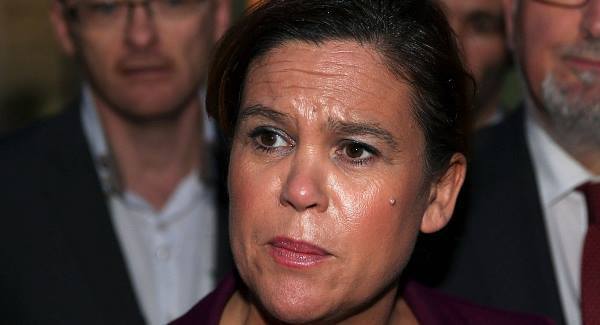
Sinn Féin deputy leader Mary Lou McDonald objected yesterday to “the outrageous” proposed increases in politicians’ pay.
The TD said the matter was about fairness when the Government was telling pensioners and others they were only getting an extra €5 a week in the budget.

But Fianna Fáil housing spokesman Barry Cowen defended his decision to take the pay rise.
Speaking to RTÉ, he confirmed he would keep his increases.
He said TDs’ pay is assessed by an independent authority and he was happy to be led by this assessment.
Fianna Fáil last night also formally said as a party that this would remain the case for its TDs.
Junior doctors may strike over restoration of allowance
Junior doctors could take strike action, depending on the outcome of an upcoming High Court case over the restoration of a €3,000 annual living-out allowance. If the HSE continues to break its contractual agreement the organisation will consider all measures including strike action, the IMO says.
The IMO is conducting regional meetings with its members. An executive council will meet on November 7, before deciding if the organisation will ballot members. Nurses could be set to strike over overcrowding and staffing levels as well as for pay restoration.
Meanwhile, there is no current plan to ballot members of the National Ambulance Service Representative Association, a spokesman says. Its members are looking for pay restoration within the context of the Lansdowne Road Agreement, the association says. However, it will be monitoring the outcomes of the planned strikes with other organisations signed up to the agreement.
Meanwhile, Bus Eireann members, represented by the National Bus and Rail Workers Union (NBRU), are balloting over management’s plans to restructure the Expressway service. The results of this ballot will be known by the end of next week, says a representative.
Labour Court talks are planned for December 6 regarding a pay rise of 15% and a further 6% the members say was promised by management in 2008. NBRU and Siptu will also engage in talks in the Labour Court on December 13, on behalf of Irish Rail members. Train drivers are seeking a reduction in their weekly hours. There is no proposed strike action for either group.
Some 1,300 staff at ESB were set to ballot for industrial action in September, over cuts to sick leave and terms and conditions for new entrants. The Technical Engineering and Electrical Union for the staff was unable to advise on this at time of going to press.