Garda missed opportunity to reform, says watchdog

Mark Toland, the chief inspector with the Garda Inspectorate, said the office has published 11 reports in nine years with 574 recommendations — more than 200 in a damning audit of the handling of crime and investigations in 2014.
“We found that we are repeating some recommendations in reports,” he said.
“That’s frustrating for us. We believe that had they been implemented, then some of the inquiries and tribunals that have taken place may not have happened or could have been minimised. We think there was a lost opportunity. They haven’t realised the full benefits.”
He said the crime and investigations report — which found serious failures in the recording, classification and reclassification of crime and inconsistent claims on detections — referred to its other audits and begged the question as to why changes were not made in 2007 and 2009.
The Garda Inspectorate told the Oireachtas justice committee it was not possible to state publicly what current Garda culture is like compared to its previous findings that the “culture inhibits change”.
However, Mr Toland said the approach of senior management to its recommendation is changing and he pointed to “a real difference in terms of engagement” with the watchdog.
“An obvious gap has been the implementation. We have introduced a process where we meet with them, we check on the status, but we have no power to force them to make those recommendations or to implement them.
“It’s fair to say the majority of our recommendations have been accepted, but not always implemented.”
The Garda Inspectorate was the first to identify the poor classification of crime by officers. The latest official figures estimated about one fifth of all crime is not properly recorded on the Garda’s Pulse computer database.
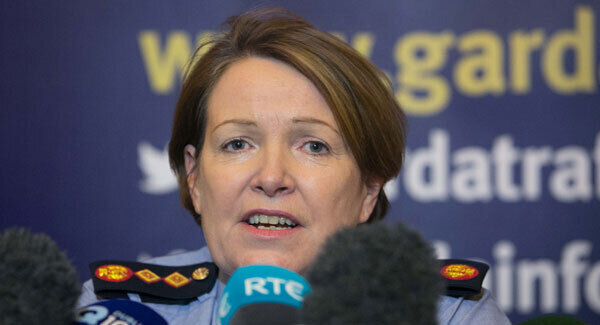
Mr Toland said commissioner Noirin O’Sullivan has given a commitment to reform how officers record crime. The Garda Information Services Centre in Castlebar, Co Mayo, a call centre staffed by civilians, is to be given the power to determine how crimes are classified on the system.
Officers will be required to phone in from a scene, with call takers deciding how the data should be recorded.
Mr Toland said: “That will stop 96 district superintendents making diffe- rent decisions. This will make this call centre the decision maker.”

CONNECT WITH US TODAY



Be the first to know the latest news and updates