Budget 2017: Pension rise to be delayed for rivals to broker deal
The measure emerged as all groups involved scrambled to gain credit for the first minority Government budget, with €5 lone parent and back-to- education allowance rises, an 85% Christmas bonus return, and potential medicine prescription charge cuts also the subject of intense discussion as budget negotiations went to the wire last night.
After days of debate between Fine Gael and Fianna Fáil sparked by calls from Social Protection Minister Leo Varadkar to delay the pension increase until June instead of January to allow other welfare increases to also take place, the parties held a meetings throughout yesterday in a bid to end the standoff.
While the issue was last night continuing to be debated by Public Expenditure Minister Paschal Donohoe and his Fianna Fáil counterpart Dara Calleary, it was widely expected the €5 pension increase will be delayed until March as a compromise between the parties.
Fianna Fáil sources said that the party remained opposed to delaying an identical increase for widows, carers, people with disabilities including the blind — sought by Mr Varadkar — until June.
However, while the deal was expected to be agreed by this morning, Fine Gael sources were similarly frustrated by claims that Fianna Fáil was seeking to limit the increase to these other groups to €4 to ensure an earlier start date, with one source questioning why a party would want to “give less than the €5 to widows”.
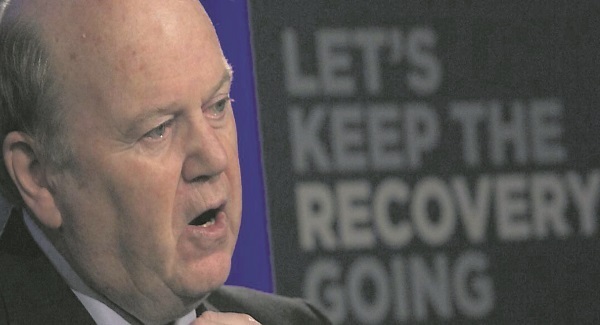
At a separate meeting with Taoiseach Enda Kenny, Finance Minister Michael Noonan, and Public Expenditure Minister Paschal Donohoe, the Independent Alliance attempted to revive its budget influence.
While the meeting was continuing late last night, it was believed the Alliance has secured an increase of the welfare recipient Christmas bonus from 75% of its pre-recession rate to 85%, and a reduction in the medicine prescription card threshold from €25 a month to €20.
The other measures are:
- A €5 increase in allowances for lone parents and those returning to education alongside a €15 change to the “income disregard” threshold between lone parent payments and the job-seekers transition payment;
- A new annual €500 cost of education allowance;
- A €20m fund for energy efficiency home schemes overseen by Communications Minister Denis Naughten, in addition to €35m for the national broadband plan next year;
- Increases for Arts Minister Heather Humphreys and a likely €250m increase for Health Minister Simon Harris, among others.
The measures — and an initiative to allow Ireland to set its own debt-to-GDP targets as part of attempts to ease borrowing costs alongside a rainy day fund — will be included in a €1.2bn spending and tax cut budget.
Other agreed areas will be cuts to the lowest three USC rates, a €20,000 grant system for first time buyers of new homes, and free childcare package for those earning less than €50,000.
Despite the fact Fianna Fáil will abstain on today’s budget as it is only “facilitating” government, Mr Noonan said he expects the financial plan to be passed “without drama”.
Budget bits
- USC cuts of 0.5% for the lowest three bands.
- €5 boost to the old-age pension.
- Similar increases for blind people, carers, people with disabilities, and widows.
- €5 increase in one-parent family payment and back-to-education allowance.
- Christmas bonus increased from 75% to 85%.
- First-time buyers’ grant of up to €20,000 for new homes bought for €400,000 or less.
- Free childcare package for those earning less than €50,000.
- Reductions in prescription charges for the over-70s.
- No increase on diesel/petrol or alcohol VAT.
- 30c increase on a pack of 20 cigarettes, bringing their cost above €11.
- €20m for home energy-efficiency schemes.
- 800 more gardaí; up to 1,000 more nurses.
- €10m for health service home-care packages.
- 11,500 more medical cards for children on the domiciliary care allowance.
- Struggling farmers to be given “opt-out” tax year.
- Inheritance tax threshold changes, meaning the point at which children pay inheritance tax will rise to €310,000.
- Business start-ups to be encouraged through a reduction of around 10% in capital gains tax.

CONNECT WITH US TODAY



Be the first to know the latest news and updates