GP screening: Poorer patients ‘fall through cracks’
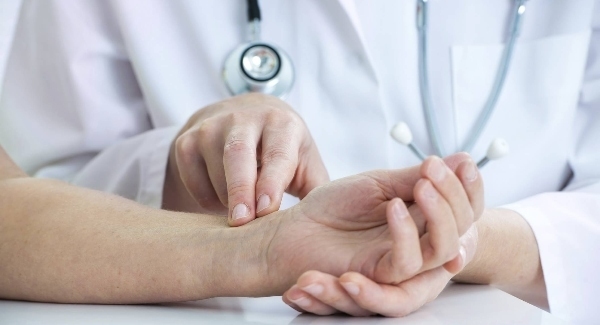
Dr Edel McGinnity, a GP in Blanchardstown, Dublin said the immediate needs of patients acted as “serious barriers” to chronic disease management and cancer screening.
Dr McGinnity, a member of Deep End Ireland that represents GPs working in disadvantaged areas, told yesterday’s meeting of the Oireachtas Committee on the Future of Healthcare about a woman who needed a smear test.
The woman, aged 54, has a background history of chronic lung disease, diabetes and eczema and has a 13-year-old with behaviour problems. When Dr McGinnity saw the woman she was not sleeping because her niece died three weeks ago and her daughter had been suspended from school.
Dr McGinnity said patients like the woman were often called ‘hard to reach’ for screening, but they had frequent contact with the practice. Because their acute health and social needs were often more pressing GPs like her often did not have the time to carry out routine screening, like smear tests.
After dealing with all of the woman’s immediate problems Dr McGinnity reminded her that she needed a smear test. But by that time, the woman was not in the humour for it. “And I am not in the humour for it either because the waiting room is packed and there is just so much going on,” said Dr McGinnity.
“This is an example of how multi-morbidity is really complicated by acute mental health and social problems, and this is the norm for many of our patients,” she said. “This explains how acute health and social problems act as serious barriers to chronic disease management, cancer screening and prevention so our patients still don’t have proper access to proper care even when they have a GP.”
Earlier Prof Susan Smith, a GP in Inchicore, Dublin and Professor of Primary Care medicine at the Royal College of Surgeons in Ireland, said Deep End Ireland was modelled on a similar project in Scotland called General Practice at the Deep End.
The organisation believes healthcare resources should be distributed according to need and wants to share the lessons of other GPs working in disadvantaged areas in Ireland and Britain.
Among the demands made by the group is the need for GPs working in disadvantaged areas to have more consultation time to address complex needs and to have better access to diagnostics and other speciality care supports.
The objective of the committee is to devise a model for a universal single tier health service that will benefit all patients.

CONNECT WITH US TODAY



Be the first to know the latest news and updates