Brexit ‘to have negative impact’ on Ireland says Central Bank
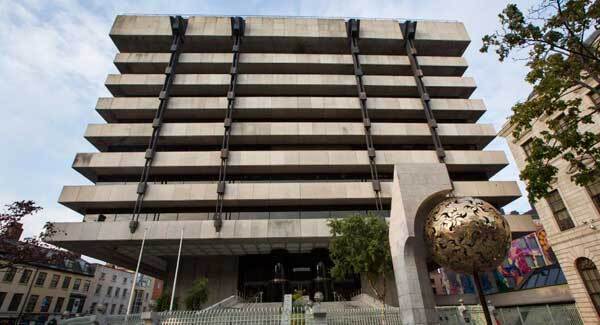
The Central Bank’s chief economist, Gabriel Fagan, has said it is clear the impact on the Irish economy “will be negative and material, both in the short-term and the longer term”.
He told the Oireachtas committee on budgetary oversight that assessing the future outlook has been further complicated by the decision of Britain to leave the EU and it will be difficult to estimate the impact it will have “with precision”.
Mr Fagan reminded the committee that while Ireland has become less reliant on the UK for trade over recent decades, the UK remains a particularly important market for many indigenous firms.
“Some sectors, particularly agri-food, clothing, and footwear and tourism, continue to have a relatively high dependency on the UK and, consequently could be affected disproportionately,” he said.
However, John Flynn, Head of Irish economic analysis at the Central Bank, was more optimistic, although he urged “caution”.
Responding to Fianna Fáil’s Lisa Chambers, who asked whether Budget 2017 should be used to protect the country or to capitalise from Brexit,
Mr Flynn said: “In terms of Brexit and its impacts on things there may at times be opportunities from it for us in certain sectors and at other times risks.”
The bank dismissed any notion that poorer than forecast Vat returns in recent months had been linked to Brexit.
Terry Quinn of the Central Bank indicted that although the returns are for July and August, they reflect what was happening in the economy just before the referendum result.
“You would have to wait a few months to see what effect Brexit will have had,” he said.
He said
the September Vat returns wold be important in measuring the impact Brexit has had.
CONNECT WITH US TODAY



Be the first to know the latest news and updates