EPA: Air quality inspection rates unacceptable
The Environmental Protection Agency (EPA) has expressed concern about the low number of tests for pollutants in the air being conducted by councils.
The number of inspections to measure “particulate matter” — tiny particles which can increase the risk, frequency, and severity of respiratory and cardiopulmonary disorders — has been sharply criticised.
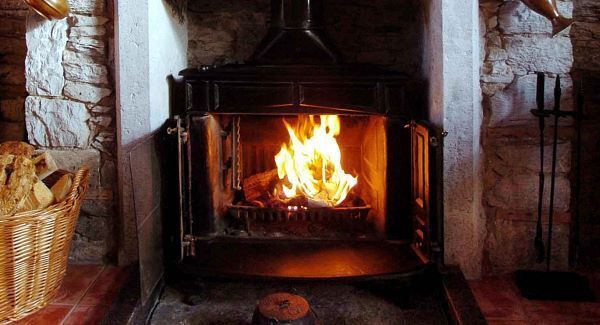
Burning of coal and other solid fuels is one of the largest sources of particulate matter and other air pollutants. Under EU rules, Ireland is required to decrease exposure to fine particulate matter by 10 between 2012 and 2020. As an initiative to meet the target, the Department of the Environment announced last year that the ban on smoky coal, which currently exists in many cities and large towns, will be extended nationwide.
An EPA review found enforcement is “very variable”. Only five out of 26 councils that have a smoky coal ban area have reached the target level of inspections. Four local authorities carried out no smoky coal inspections in 2014. The EPA said monitoring had shown elevated levels in smoky coal areas which indicated that low enforcement levels could impact on air quality.
The EPA said: “Given the importance of air quality and the significant public health benefits which can accrue through improving local air quality in towns and cities, it is considered that increased enforcement in the area is justified.”
It said greater enforcement was required because of a declining number of tests for compliance with regulations governing decorative paints, solvents, petroleum vapours, and solid fuel.
The monitoring of decorative paints regulations was “minimum” with over half of all local authorities below target inspection rates.
The EPA said it was “unsatisfactory” that more than two thirds of councils were below target for enforcement of solvent regulations.
A total of 21 local authorities reported no inspections for compliance with petroleum vapours regulations in 2014, while almost 90% of the total were below target. Such poor inspection levels were described as “unacceptable”.
Although Ireland has relatively high rates for the recycling and recovery of certain waste products including food, waste electrical and electronic equipment (WEEE), batteries, and end-of-life vehicles, tests for compliance with related legislation is generally poor.
The EPA said that inspections by local authorities for WEEE products was regarded as “unsatisfactory”, with 11 councils carrying out no inspections, while 15 others failed to meet target levels.
While Ireland has met the EU target for recycling 25% of used batteries, 12 out of 31 local authorities failed to carry out any inspections, while 21 were rated as not meeting performance targets.
Inspection levels of farms to test for water pollution from nitrates from agricultural sources were also criticised after the number of visits by council officials in 2014 was approximately half of other years.