1 in 5 kids not restrained in a suitable car seat
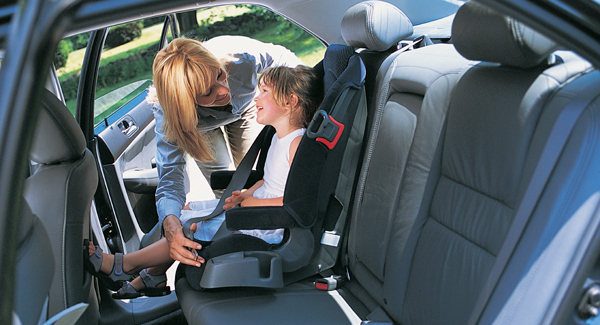
A study published in the Irish Medical Journal looked at car safety usage by families attending University Hospital Limerick.
It also found that most safety seats are installed by family members, which might have child safety consequences.
Just over half (55%) of the parents said they read the instructions completely before installing the seat.
Babies and children must use a child restraint — a car seat or booster cushion, appropriate for their height and weight while travelling in a car or goods vehicle, other than a taxi.
The use of car restraints reduces the risk of death in a crash by 71% for infants and by 54% for toddlers, while booster seat use reduces the risk of serious injury among children ages four to seven by 59%.
The study, led by Paul Scully at Children’s Ark at University Hospital Limerick, found that most parents (81%) knew current safety seat legislation was based on the weight of the children.
Car safety seats were used to restrain 107 of the children who were aged under 12 and the majority of the car seats (95%) were newly purchased.
The results of the cross-sectional study of 60 parents with 120 children under 12 years of age in 2013 found that 99 (83%) were restrained using an appropriate safety seat for their weight.
The study also found that 78% (22) used an appropriate rear-facing seat.
It is now illegal to use a rearward-facing child care seat in a passenger seat protected by an airbag.
The deployment of an airbag where a rearward–facing baby seat is in place can cause serious injury to the child or even death.

CONNECT WITH US TODAY



Be the first to know the latest news and updates