Many plants facing extinction due to climate change and rising temperatures
The ‘State of the World’s Plants’ report, by the Royal Botanic Gardens, Kew, estimates that there are 391,000 vascular plants — which exclude mosses and algae — in the world.
New finds include a huge, insect-eating sundew discovered via Facebook, five new types of onion, a 3m-tall slipper orchid, and a close relative of the sweet potato.
However, the report warns that many plants are facing extinction because of climate change, as they are responding slowly to rising temperatures and changing rainfall, and have limited ways of adapting.
Many plants are already in “extinction debt”, it suggests, because of global warming, but the true impact will not be revealed for some time.
Much of the world’s land area is also changing, with increased plant growth, or “greening” of the Arctic, since 2001, and, elsewhere, loss of mangroves and forests.
Some 1,771 “important plant areas” (IPAs) have been identified, but very few have conservation protection, the study said.
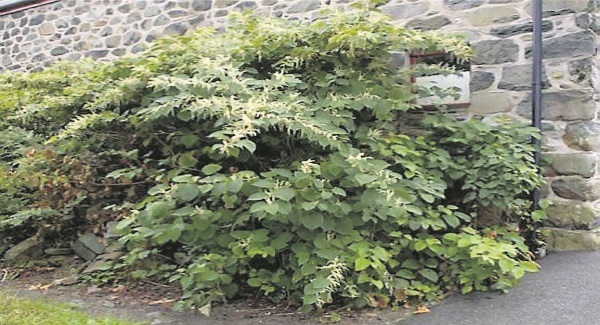
Globally, there are 4,979 invasive plants, with the problem of non-native species, such as cheatgrass, spotted knapweed, and Japanese knotweed costing £1.7bn in the UK alone.
The report also reveals that less than a tenth (31,000) of the world’s known plants are used by humans, with the major purposes being medicines, food, and fuel.
The report highlights the importance of collecting samples of “crop wild relatives”, cousins of plants that humans use as common crops and which may have traits that could make food plants more resilient to a changing climate or pests and diseases.
There are major gaps in collections of the wild relatives of some key crops, including banana, aubergine, and sorghum.
However, wild relatives of crops are among some of the plants found last year, such as Canavalia reflexiflora — a legume related to the Brazilian jack bean — five new onions related to the cultivated onion, Allium saxatile, and a species of Ipomoea, from Bolivia, which is a close relative of the sweet potato.
Other new discoveries, in 2015, include a 2m-tall Brazilian sundew Drosera magnifica, first identified on Facebook by a sundew specialist reviewing photos taken years earlier by an orchid hunter, and a 105-tonne tree, Gilbertiodendron maximum, in Gabon.

CONNECT WITH US TODAY



Be the first to know the latest news and updates